
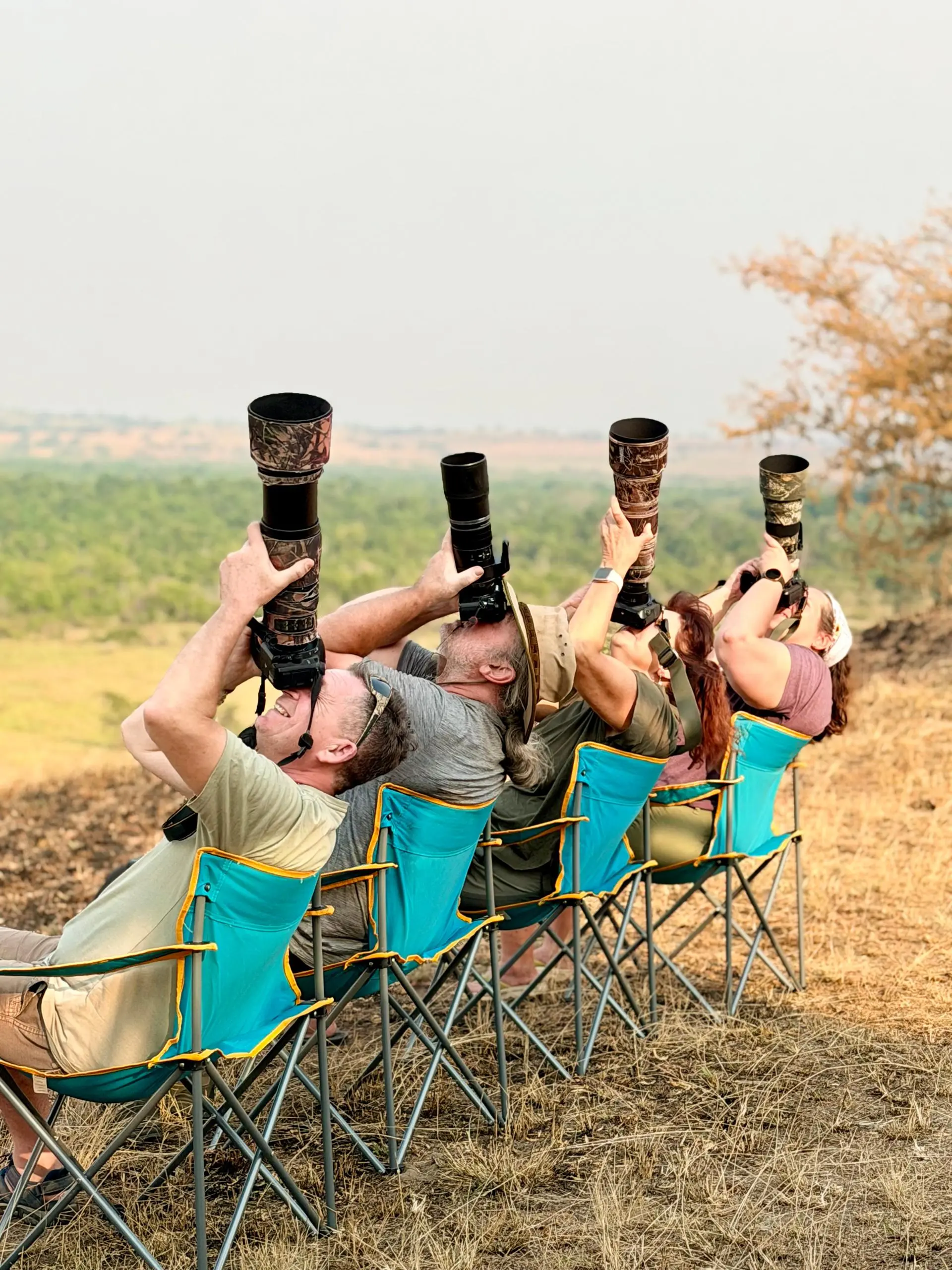
Photography Gear Guide for Uganda Gorilla Treks
Gorilla trekking in Uganda is one of the most exhilarating experiences a photographer can undertake. The thrill of capturing the majestic mountain gorillas in their natural habitat against the backdrop of lush landscapes makes for incredible photography opportunities. However, to ensure that you make the most of your gorilla treks in Uganda, it is essential to pack the right photography gear. This guide will cover the necessary equipment, tips, and tricks to help you capture stunning images during your gorilla trekking adventure.
Choosing the Right Camera/Photography Gear for your Gorilla Treks in Uganda
DSLR vs. Mirrorless
When it comes to choosing a photography camera for Uganda gorilla treks, both DSLR (Digital Single-Lens Reflex) and mirrorless cameras offer advantages and disadvantages.
DSLR Cameras: Typically robust and offer extensive lens options. They have longer battery life and are generally more durable. On the other hand, they can be heavier and bulkier, which may be an issue during long treks.
Mirrorless Cameras: Lighter and more compact, making them easier to carry. They provide excellent video quality and often have faster autofocus capabilities. On the other hand, battery life tends to be shorter, and lens options may be more limited depending on the brand.
For gorilla trekking, many photographers prefer mirrorless cameras due to their lightweight design, making them easier to carry during hikes. However, a high-quality DSLR can also be a great choice, especially for those already familiar with the system.
Recommended Lenses
Choosing the right lens is crucial for wildlife photography, particularly for capturing mountain gorillas in dense forests.
Telephoto Lenses
70-200mm f/2.8 is a versatile lens that offers a good balance of reach and low-light capability. It is ideal for capturing portraits of gorillas and their behaviours from a distance. On the other hand, a 100-400mm f/4.5-5.6 provides greater reach while still maintaining acceptable image quality. It is perfect for photographing gorillas in forests where you may not be able to get too close.
Prime Lenses
The 300mm f/2.8 lens is excellent for wildlife photography, allowing you to capture sharp images with beautiful background blur. A 500mm f/4 is ideal for serious wildlife photographers who want to capture detail from a distance. However, this lens can be heavy, and you will need to consider how to carry it during your trek.
Wide-Angle Lenses
In addition to telephoto lenses, having a wide-angle lens for capturing the surrounding landscapes and dramatic scenery is advisable. 24-70mm f/2.8 or 16-35mm lenses allow you to capture the forest’s depth and beauty while providing context for the gorillas’ environment.
Essential Accessories
When planning a gorilla trek, it is not just the camera and lens that you will need. Several accessories can significantly enhance your photography experience.
Tripod or Monopod
A lightweight tripod is beneficial for stability, particularly in low-light conditions or for long exposures. On the other hand, a monopod is more portable and easier to carry on a trek; a monopod can help stabilise your shots without the bulkiness of a tripod.
Camera Bag
Invest in a durable, weather-resistant camera bag that can comfortably fit your gear while providing easy access during the trek.
Extra Batteries
The cold, humid environment can quickly deplete battery life. Carry at least two or three extra batteries, safely stored in your bag.
Memory Cards
Bring multiple high-capacity memory cards. The last thing you want is to run out of storage space during a rare gorilla encounter. Consider 64GB or 128GB cards, depending on your shooting style.
Rain Protection
Since the weather can be unpredictable in the forests, bring a rain cover for your camera and lenses. A simple plastic bag or a dedicated rain cover can save your equipment from getting damaged.
Cleaning Kit
Dust, moisture, and fingerprints can affect your images. Carry a small cleaning kit with a microfiber cloth, a blower, and a lens brush to keep your equipment clean.
Camera Settings for Gorilla Trekking
Adjusting your camera settings is crucial for capturing quality images in the varying light conditions of the forest. Forests often have low light, particularly in the early morning or on cloudy days. Start with a higher ISO (800-1600) to help maintain faster shutter speeds. Be cautious of noise at higher ISO settings, but a little noise can often be cleaned up in post-processing. Use a wide aperture (f/2.8 or f/4) to allow more light in and achieve a shallow depth of field for beautiful bokeh. Aim for a fast shutter speed (1/1000s or faster) to freeze motion, especially if the gorillas move around quickly or if you are working with a longer lens.
Use Continuous Autofocus (AF-C) mode to track moving subjects. It is especially important for capturing gorillas interacting with one another. Shoot in RAW format for the highest quality images, allowing for better editing flexibility in post-processing.
Tips for Capturing Stunning Images during a gorilla trek in Uganda
Respect Wildlife Guidelines: When photographing gorillas, it is vital to respect the wildlife guidelines set by the park authorities. Maintain a distance of at least 7 meters (23 feet) from the gorillas to minimise stress on the animals.
Be Patient: Wildlife photography requires patience. Sometimes the best shots come from waiting quietly for the right moment. Take your time to observe the gorillas and anticipate their movements.
Capture Behaviour: Focus on capturing the behavioural aspects of gorillas. From nurturing mother and baby interactions to playful siblings tussling. These intimate moments tell the story of their daily lives.
Use Natural Frames: Incorporate the surrounding environment into your compositions. The dense forest can provide natural framing elements, enhancing your photographs.
Experiment with Angles: Don’t hesitate to move around to find the best angles. Shooting from a lower perspective can add drama, especially in showcasing the gorillas against the towering trees.
Play with Depth of Field
Using a shallow depth of field can isolate your subject against a blurred background, adding emotional impact to your images. Shift your focus to different aspects of the gorillas’ habitat to showcase their environment.
Post-Processing Tips
Post-processing plays a significant role in enhancing your gorilla images. Here are some tips for refining your shots after the trek:
- Adobe Lightroom is excellent for organising, editing, and processing RAW files, making adjustments to exposure, colour balance, and sharpness.
- Adobe Photoshop is useful for more detailed edits, such as retouching and compositing images.
- Don’t hesitate to edit your images to correct exposure. Remember that shadows can obscure crucial details, so adjusting the shadows and highlights can significantly improve the overall quality.
- Gorilla habitats can sometimes lead to unique lighting situations, so adjusting white balance is crucial. Correct any colour casts and enhance colours to represent the vibrant environment accurately.
- Often, a simple crop can dramatically improve the composition of your images. Aim for the rule of thirds (placing the gorillas off-centre can create more dynamic photos).
- After processing your images, share your work on social media or photography platforms. Consider joining conservation discussions to raise awareness about the importance of gorilla conservation.
Pack your the Right photography Gear for Uganda Gorilla Treks
Gorilla treks in Uganda is a unique adventure that offers exceptional wildlife photography opportunities. By preparing adequately with the right gear and knowledge, you can capture the incredible beauty of mountain gorillas and their habitats. With patience, ethical considerations, and a bit of creativity, you’ll return home with stunning photographs that tell the story of your unforgettable journey into the heart of Uganda’s forests. Whether you are an amateur enthusiast or a seasoned professional, the experience will undoubtedly inspire a deeper appreciation for wildlife conservation and the natural world.