6 Days Kenya Rhino and Big Five Safari
Experience Kenya’s remarkable wildlife and conservation heritage on this 6 Days Kenya Rhino and Big Five Safari. This carefully designed journey combines Ol Pejeta Conservancy, Lake Nakuru National Park, and the world-famous Maasai Mara National Reserve. You will explore important rhino conservation areas, enjoy game drives across diverse landscapes, and search for Africa’s iconic Big Five: lion, leopard, elephant, buffalo, and rhino.
From the wildlife-rich plains of Ol Pejeta to the scenic shores of Lake Nakuru and the sweeping savannahs of the Maasai Mara, this safari offers a rewarding introduction to Kenya’s natural heritage. It is particularly suitable for travellers who want to see rhinos while also enjoying excellent opportunities to encounter large mammals and predators in their natural habitats.
With Native Africa Tours, you can arrange this journey as a private Kenya safari with a professional driver-guide, a 4×4 safari vehicle, and accommodation selected to match your budget and preferred level of comfort. Whether you are travelling as a couple, a family, or a small group, this six-day adventure combines wildlife viewing, conservation, scenic drives, and memorable African landscapes.
Detailed 6 Days Kenya Rhino and Big Five Safari Itinerary
Day 1: Nairobi to Ol Pejeta Conservancy – Afternoon Rhino and Wildlife Safari
Your Kenya Rhino and Big Five Safari begins with a morning departure from Nairobi. After meeting your safari guide, receive a short briefing about the journey before travelling north towards Ol Pejeta Conservancy in Laikipia County.
The drive takes you through Kenya’s central highlands, with changing views of farmland, small towns, open countryside, and distant mountain scenery. Depending on your departure point, traffic, and road conditions, the journey generally takes several hours. A stop along the way can be arranged if time allows.
Ol Pejeta Conservancy is internationally recognised for its conservation work, particularly its protection of endangered rhinos. The conservancy combines wildlife conservation with community initiatives and sustainable land management, making it an especially meaningful destination for travellers interested in both wildlife and conservation.
On arrival, check in at your lodge or tented camp and enjoy lunch, depending on your arrival time and accommodation arrangements.
In the afternoon, head out for your first game drive. Your guide will explore selected areas of the conservancy in search of rhinos, elephants, buffaloes, zebras, giraffes, and other wildlife. Ol Pejeta also supports populations of lions, leopards, and other predators, although sightings depend on animal movements and prevailing conditions.
The conservancy’s open plains and patches of woodland provide a varied setting for wildlife photography. Your guide can also explain the role of protected areas, wildlife monitoring, and anti-poaching efforts in safeguarding endangered species.
Where permitted and available, you may learn more about Ol Pejeta’s rhino conservation programme. Special experiences or visits to restricted conservation areas must be confirmed in advance and may carry additional charges.
Day 2: Full-Day Safari in Ol Pejeta Conservancy – Rhino Tracking Opportunities and Wildlife Viewing
Ol Pejeta is one of the most important destinations in Kenya for travellers interested in rhino conservation. Both black and white rhinos are protected within the conservancy, although they occupy different habitats and have different feeding behaviours. Black rhinos generally browse shrubs and bushes, while white rhinos primarily graze on grasses.
During the morning game drive, your guide will search for rhinos and other wildlife while explaining how conservation teams monitor animal populations and protect threatened species. Rhinos can be difficult to locate in areas with dense vegetation, so sightings depend on their movements and the conditions on the day.
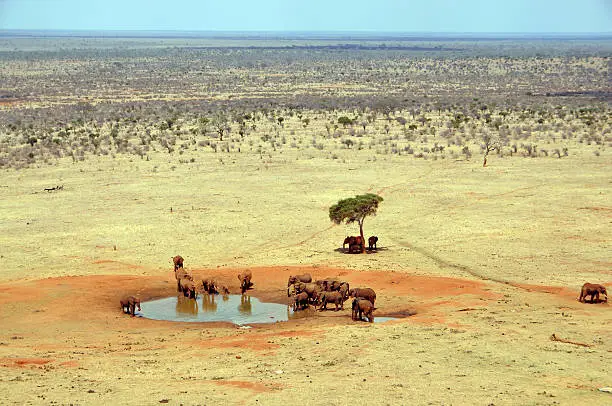
Ol Pejeta is also known for its elephant population and the presence of other major African mammals. Keep watch for lions resting in shaded areas, elephants moving across the plains, buffaloes feeding in open grassland, and giraffes browsing on trees. Return to your lodge for lunch, or enjoy a packed meal during an extended game drive if this is part of your arrangements.
In the afternoon, continue exploring the conservancy. Depending on your interests, you may concentrate on wildlife viewing, photography, or learning more about conservation work. The Sweetwaters Chimpanzee Sanctuary is another notable conservation attraction within Ol Pejeta. If you would like to include a visit, ask Native Africa Tours to confirm the available visiting arrangements, opening times, and any additional fees. The sanctuary provides care for rescued chimpanzees and is separate from the conservancy’s wild rhino and Big Five viewing experience.
Ol Pejeta is also associated with the conservation of the northern white rhino. Access to particular animals or protected areas is restricted and must not be assumed as part of a standard game drive. Any special visit should be confirmed before travel. After a full day of wildlife viewing, return to your accommodation for dinner and a second overnight stay in the Ol Pejeta region.
Day 3: Ol Pejeta to Lake Nakuru National Park – Afternoon Rhino Safari
After breakfast, check out and depart for Lake Nakuru National Park in Kenya’s Great Rift Valley. The journey takes you through the central highlands and towards the Rift Valley landscape. Depending on the chosen route, traffic, and road conditions, the transfer generally takes several hours. Your guide will plan the departure to allow time for the journey and an afternoon activity where possible.
Lake Nakuru National Park is one of Kenya’s well-known rhino conservation destinations. The park contains protected habitats for black and white rhinos and is also home to Rothschild’s giraffes, buffaloes, waterbucks, zebras, and a variety of other wildlife. On arrival, proceed to your accommodation for lunch or check-in, depending on the timing of the transfer.
In the afternoon, enter Lake Nakuru National Park for a game drive. Explore the park’s acacia woodland, open grassland, rocky viewpoints, and areas around the lake. Your guide will look for rhinos and other wildlife while explaining the park’s habitats and conservation importance.
Lake Nakuru is also recognised for its birdlife. Flamingos may gather along the lake’s shoreline, but their numbers vary according to water levels, food availability, and seasonal conditions. Other birds may include pelicans, cormorants, fish eagles, and several species associated with woodland and wetland habitats.
The park’s scenery provides excellent opportunities for photography, with the lake, escarpments, and surrounding hills forming a beautiful backdrop. Wildlife sightings vary, so the afternoon is best approached as an exploration rather than a guarantee of encountering particular animals.
Day 4: Lake Nakuru to Maasai Mara National Reserve – Afternoon Big Five Game Drive
Enjoy breakfast before departing Lake Nakuru for the Maasai Mara National Reserve, one of Africa’s most celebrated wildlife destinations. The drive takes you through the Great Rift Valley and rural landscapes before reaching the Mara region. Travel time can be considerable and depends on your lodge locations, road conditions, and the route used. An early departure is recommended to make the most of your arrival day. On reaching the Maasai Mara, check in at your accommodation or proceed directly for lunch, depending on your arrival time and the arrangement of your package.
In the afternoon, head into the reserve for your first Big Five game drive. The Maasai Mara is famous for its large mammal populations, open grasslands, and impressive predator activity.
Your guide will search for lions, elephants, buffaloes, and leopards, as well as other wildlife. Rhinos also occur in the wider Mara ecosystem, but they are more elusive and should not be expected on every game drive. Ol Pejeta and Lake Nakuru provide the main dedicated rhino-viewing opportunities on this itinerary.
The Mara’s open plains are particularly rewarding for observing grazers such as zebras, wildebeest, topis, and gazelles. These animals support a healthy predator population, including lions, cheetahs, hyenas, and leopards.
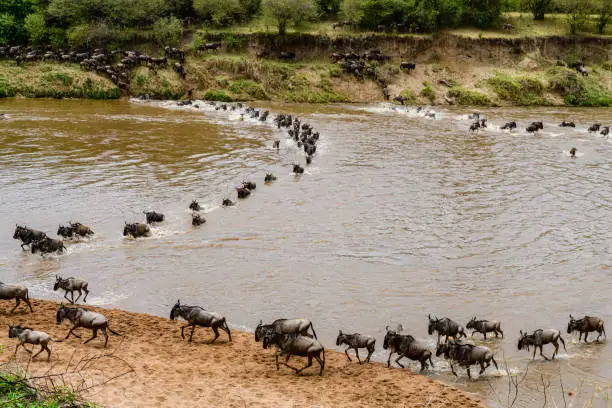
If you travel during the Great Wildebeest Migration season, usually around July to October in the Maasai Mara region, you may encounter large herds moving through the reserve. The timing and location of the migration vary each year, and river crossings are unpredictable. As evening approaches, return to your lodge or tented camp for dinner and relaxation.
Day 5: Full-Day Big Five Safari in the Maasai Mara
Spend a full day exploring the Maasai Mara, with morning and afternoon game drives designed to maximise your opportunities for wildlife viewing. Start early with breakfast before entering the reserve. Early morning is often a productive time for spotting wildlife, as temperatures are cooler and some animals are more active.
Your guide will explore different parts of the reserve in search of lions, elephants, buffaloes, leopards, and other wildlife. Lions may be found resting after a night of activity, while elephants and buffaloes may be feeding or moving towards water sources. Leopards are more elusive and may be seen in trees, along riverine vegetation, or moving through suitable habitat.
The Maasai Mara is particularly known for its large populations of herbivores and predators. You may see zebras, wildebeest, gazelles, topis, giraffes, hyenas, and other species during the day. The combination of open grassland and riverine woodland supports a rich variety of wildlife.
Return to your accommodation for lunch, or take a packed lunch to enjoy during a full-day game drive. A packed lunch can allow you to spend more time exploring areas farther from camp, subject to reserve regulations and the planned route.
In the afternoon, continue the search for wildlife. Your guide may revisit areas where animals were active in the morning or explore other suitable locations. If the Great Migration is taking place during your visit, the guide can look for herds and, where relevant, areas along the Mara River. However, migration movements and river crossings cannot be predicted with certainty.
The Maasai Mara offers more than Big Five viewing. The landscapes, changing light, birdlife, and interactions between different species all contribute to the safari experience. Your guide will help you understand animal behaviour and photograph wildlife responsibly without disturbing it. After the game drive, return to your accommodation for dinner and your final night in the Maasai Mara.
Day 6: Maasai Mara to Nairobi – Departure
Enjoy breakfast at your accommodation before preparing for the return journey to Nairobi. If your departure time and park access arrangements permit, you may arrange a short early-morning game drive before leaving the Mara. This provides one final opportunity to search for wildlife and enjoy the reserve’s morning scenery.
Afterwards, begin the road transfer to Nairobi. The journey usually takes several hours and can be affected by weather, road conditions, traffic, and the location of your accommodation. On arrival in Nairobi, your guide will drop you at Jomo Kenyatta International Airport, your hotel, or another agreed location.
If you have an international flight on the same day, provide your flight details before booking. A same-day transfer may be possible, but the long road journey means that adequate time must be allowed for traffic and airport procedures. An additional night in Nairobi is advisable when flight schedules leave little margin. Your 6 Days Kenya Rhino and Big Five Safari ends with memories of Kenya’s important rhino conservation areas, the wildlife of the Great Rift Valley, and the sweeping savannahs of the Maasai Mara.
Best Time for a Kenya Rhino and Big Five Safari
Kenya offers wildlife viewing throughout the year, but weather and seasonal conditions influence the experience. The best time for your safari depends on whether you prioritise traditional dry-season game viewing, greener landscapes, birdlife, or the Great Wildebeest Migration.
June to October: Dry-Season Wildlife Viewing
This period is popular for wildlife safaris because vegetation may be thinner and animals may gather around dependable water sources. These conditions can improve visibility in some areas, although sightings still depend on animal movements. The Maasai Mara is especially popular during the Great Wildebeest Migration season, usually around July to October. Large herds may enter the reserve during this period, but their movements vary from year to year.
January to February: Generally Dry Conditions
These months can provide rewarding game drives in Ol Pejeta, Lake Nakuru, and the Maasai Mara. The weather can be warm, and wildlife viewing depends on local rainfall, vegetation, and water availability.
March to May: Long Rains
The long rains can bring greener landscapes, fresh vegetation, and excellent scenery for photography. However, heavy rain can make some roads muddy and increase transfer times. Travellers visiting during this period should maintain some flexibility and confirm the condition of roads and accommodation access before departure.
November to December: Short Rains and Green Landscapes
The short rains can refresh the landscape and create attractive conditions for photography and birdwatching. Rainfall patterns vary from year to year, so some days may be dry while others experience showers.
Which Months Are Best for Rhino Viewing?
Rhinos can be viewed throughout the year in Kenya’s protected conservation areas. Ol Pejeta and Lake Nakuru are strong choices for travellers who want to focus on rhino conservation and viewing opportunities. However, rhinos are wild animals, and no sighting is guaranteed on a particular drive.
What Animals Can You See on This Safari?
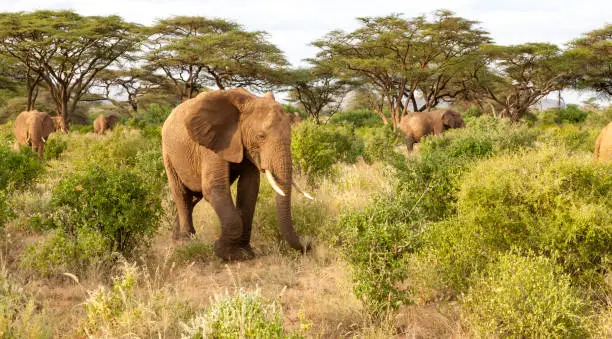
This itinerary visits three important wildlife destinations, each with its own habitats and conservation role.
Rhinos
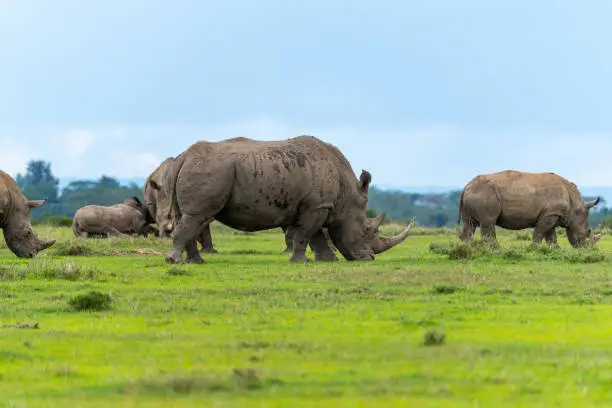
Ol Pejeta Conservancy and Lake Nakuru National Park are the main destinations for rhino viewing on this itinerary. Both black and white rhinos are protected in these areas. Black rhinos are generally more elusive because they often use thicker vegetation, while white rhinos may be seen grazing in more open habitats.
Lions
Lions occur in Ol Pejeta and the Maasai Mara, as well as in other suitable habitats across Kenya. They may be found resting, hunting, or interacting with other members of their pride.
Leopards
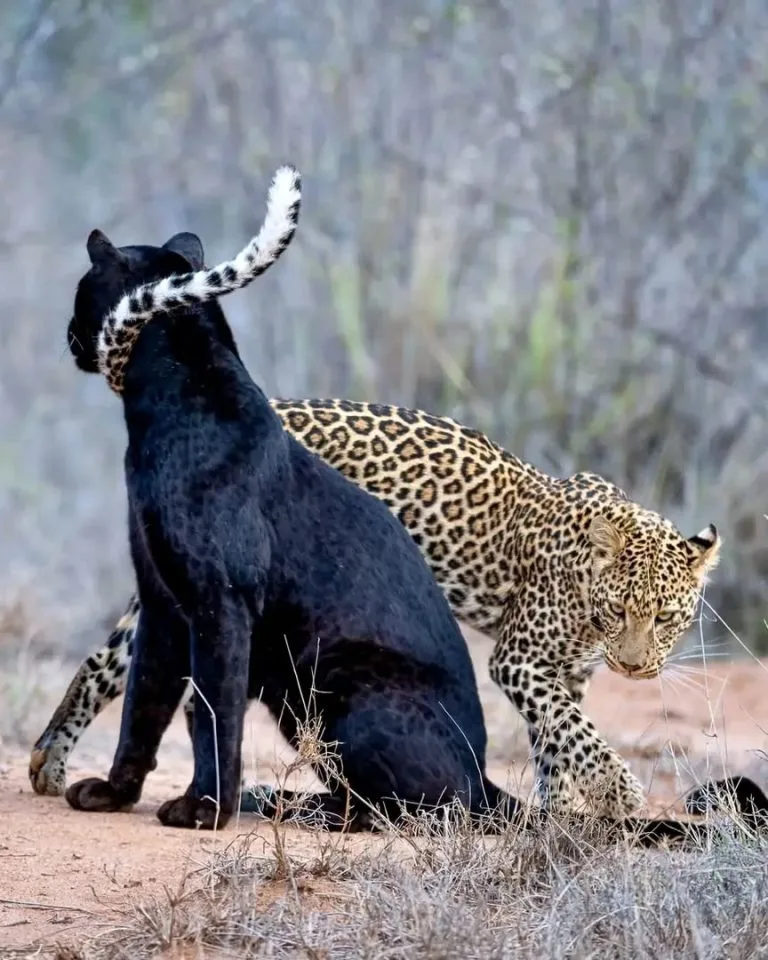
Leopards are present in the safari destinations but are often difficult to spot because they are solitary, elusive, and well camouflaged. Sightings depend on location and conditions.
African Elephants
Elephants can be encountered in Ol Pejeta and the Maasai Mara. Their movements depend on water, food, and seasonal conditions.
African Buffaloes
Buffaloes occur in all three destinations and may be seen grazing in open areas or gathering in herds.
Other Wildlife
Other possible sightings include giraffes, zebras, wildebeest, gazelles, hyenas, warthogs, waterbucks, and numerous bird species.
The safari is designed to maximise opportunities for wildlife viewing, but sightings of the Big Five cannot be guaranteed. The exact animals you see will depend on the time of year, the areas explored, and the movements of wildlife.
Frequently Asked Questions About the 6 Days Kenya Rhino and Big Five Safari
1. What is included in the 6 Days Kenya Rhino and Big Five Safari?
A typical package includes five nights of accommodation, a safari vehicle, a professional driver-guide, scheduled game drives, and meals as specified. Applicable park and conservancy fees should be confirmed in the written quotation.
2. Which parks will I visit during this safari?
You will visit Ol Pejeta Conservancy, Lake Nakuru National Park, and Maasai Mara National Reserve. The route combines rhino conservation areas with one of Kenya’s most celebrated destinations for Big Five wildlife viewing.
3. Where are the best places to see rhinos on this itinerary?
Ol Pejeta Conservancy and Lake Nakuru National Park are the main destinations for rhino viewing. Both protect black and white rhinos, although sightings depend on their movements and the conditions during your game drives.
4. Can I see all the Big Five in six days?
The itinerary offers opportunities to search for lions, leopards, elephants, buffaloes, and rhinos. However, seeing all five species is not guaranteed. Leopards and rhinos can be particularly elusive, and wildlife sightings depend on the day’s conditions.
5. Can I visit the northern white rhinos at Ol Pejeta?
Ol Pejeta is known for its work protecting the remaining northern white rhinos. However, these animals are under intensive protection, and access to their area is controlled. A special visit must be confirmed in advance and should not be assumed to be included in a standard safari.
6. Is the chimpanzee sanctuary included?
The Sweetwaters Chimpanzee Sanctuary is a potential additional experience at Ol Pejeta. Ask Native Africa Tours to confirm the visiting arrangements, opening times, and applicable fees before your safari.
7. Is this a private safari?
The itinerary is designed as a private safari, with your own vehicle and driver-guide. Confirm the vehicle arrangements in your quotation if you prefer a shared or alternative travel option.
8. What is the best time to book this safari?
Kenya’s parks can be visited year-round. June to October is a popular period for wildlife viewing, while the Maasai Mara may receive migrating wildebeest around July to October. Early booking is advisable for busy travel periods and preferred accommodation.
9. Can I customise the itinerary?
Yes. You can request different accommodation categories, extra nights, optional conservation experiences, or changes to your Nairobi arrival and departure arrangements. Significant changes may affect the price and driving schedule.
10. Can families take this safari?
Yes. Families can enjoy the wildlife and conservation experiences, provided the driving schedule, accommodation, and game-drive duration are suitable for the children. Share the ages of your children when requesting a quotation so that the arrangements can be planned appropriately.
11. Does the safari start and end in Nairobi?
Yes. The standard itinerary starts and ends in Nairobi. Airport transfers or hotel drop-offs can be arranged according to your travel plans.
12. How many nights will I spend on safari?
The itinerary includes five nights: two nights in the Ol Pejeta region, one night near Lake Nakuru, and two nights in the Maasai Mara region.
Book Your 6 Days Kenya Rhino and Big Five Safari
Discover Kenya’s wildlife and conservation heritage on a six-day journey through Ol Pejeta Conservancy, Lake Nakuru National Park, and the Maasai Mara. Search for endangered rhinos, enjoy exciting game drives, and explore the habitats that support some of Africa’s most iconic animals.
Whether you are particularly interested in rhino conservation, the Big Five, wildlife photography, or a first-time African safari, Native Africa Tours can help you plan a trip around your preferred travel dates, accommodation level, and budget.
Contact Native Africa Tours to request a personalised quotation for your 6 Days Kenya Rhino and Big Five Safari. Tell us your travel dates, number of travellers, preferred accommodation category, and any special conservation interests. We will help you plan a practical itinerary with clear inclusions and suitable arrangements for your journey.