Nabiyotum Crater in Kenya
Nabiyotum Crater in Kenya is located in the Lake Turkana region, a caldera formed by volcanic activity. It sits in the centre of Lake Turkana, recognised as the world’s largest desert lake. Lake Turkana is also one of the best tourist destinations for travellers on safaris in Kenya by Native Africa Tours, and this crater is counted among the world’s natural wonders.
Nabiyotum Crater resembles a vast funnel with steep, high slopes that are surrounded by Lake Turkana, situated in the Great Rift Valley. It was discovered in 1888 by scientists who noted it as the main source of volcanic origins. The crater is located on the southeastern side of Lake Turkana, which is also often referred to as the Jade Sea. It stands 500 meters tall, showcasing a masterpiece of natural architecture, with walls made of volcanic ash and pyroclastic materials.
Conditions around and within the crater are extremely harsh, reaching about 100 degrees Fahrenheit (38 degrees Celsius). Thriving in this area is quite difficult due to these high temperatures. Furthermore, the crater is part of a larger volcanic system that has shaped the Turkana basin. This region consists of extensive basalt extrusions that are between 3 and 4 million years old, known as the Gombe Group Basalt.

What to See During a Visit to the Nabiyotum Crater in Kenya
There are several attractions travellers can encounter during their safaris to the Nabiyotum Crater, including:
Nabiyotum Crater: This is the primary attraction for travelers Kenya safaris. It features a caldera shape in the centre of Lake Turkana.
Lake Turkana: Commonly known as the Jade Sea, it is the largest desert lake in the world and is situated in northern Kenya, near the border with Ethiopia. Its inlets include the Omo, Turkwel, and Kerio rivers, with the Omo River supplying 90% of the lake’s water.
Wildlife: The area surrounding the lake is home to various wildlife that travellers encounter on their safaris, including crocodiles, saw-scaled vipers, puff adders, Grevy’s zebras, reticulated giraffes, and many others.
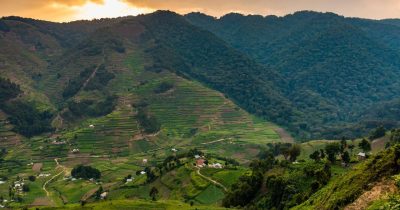
Scenery: The landscape around Nabiyotum Crater consists of rugged volcanic rocks buffeted by strong, dry winds. These rocks are covered with semi-desert vegetation.
Cultural Communities: The area around Nabiyotum Crater is dotted with cultural communities that travellers can engage with during cultural safaris. The El Molo tribe, the smallest ethnic group, resides on the shores of Lake Turkana and has a unique culture and lifestyle. Travellers can interact with this community during the Lake Turkana Cultural Festival.
Where to Stay During Safaris to Nabiyotum Crater in Kenya
Despite Nabiyotum Crater’s remote location, there are several accommodation options available for travellers, including Lobolo Camp, Turkana Eco Lodge, Palm Shade Campsite, Eliye Springs Resort, Desert Rose Lodge, and more. Travellers are encouraged to book in advance to ensure availability during their safaris.
What to Pack for a Safari to Nabiyotum Crater in Kenya
Travellers can pack several essential items for a successful safari to Nabiyotum Crater in Kenya, such as:
- Light clothing
- Sturdy hiking shoes
- A water bottle to stay hydrated
- Energy snacks to maintain energy levels
- Insect repellent
- Moisture-wicking boxers
- Sunglasses
- A wide-brimmed hat
How to access Nabiyotum Crater in Kenya
Nabiyotum Crater can be accessed by road or air transport. By road, travellers must journey approximately 750 kilometres north of Nairobi to Lodwar, the largest town in Turkana County. Alternatively, travellers can take flights from Nairobi to various airstrips in Turkana County. These flights usually take between 1 and 3 hours, landing at Lodwar Airport or Loiyangalani airstrip, followed by a short drive to the craters.