
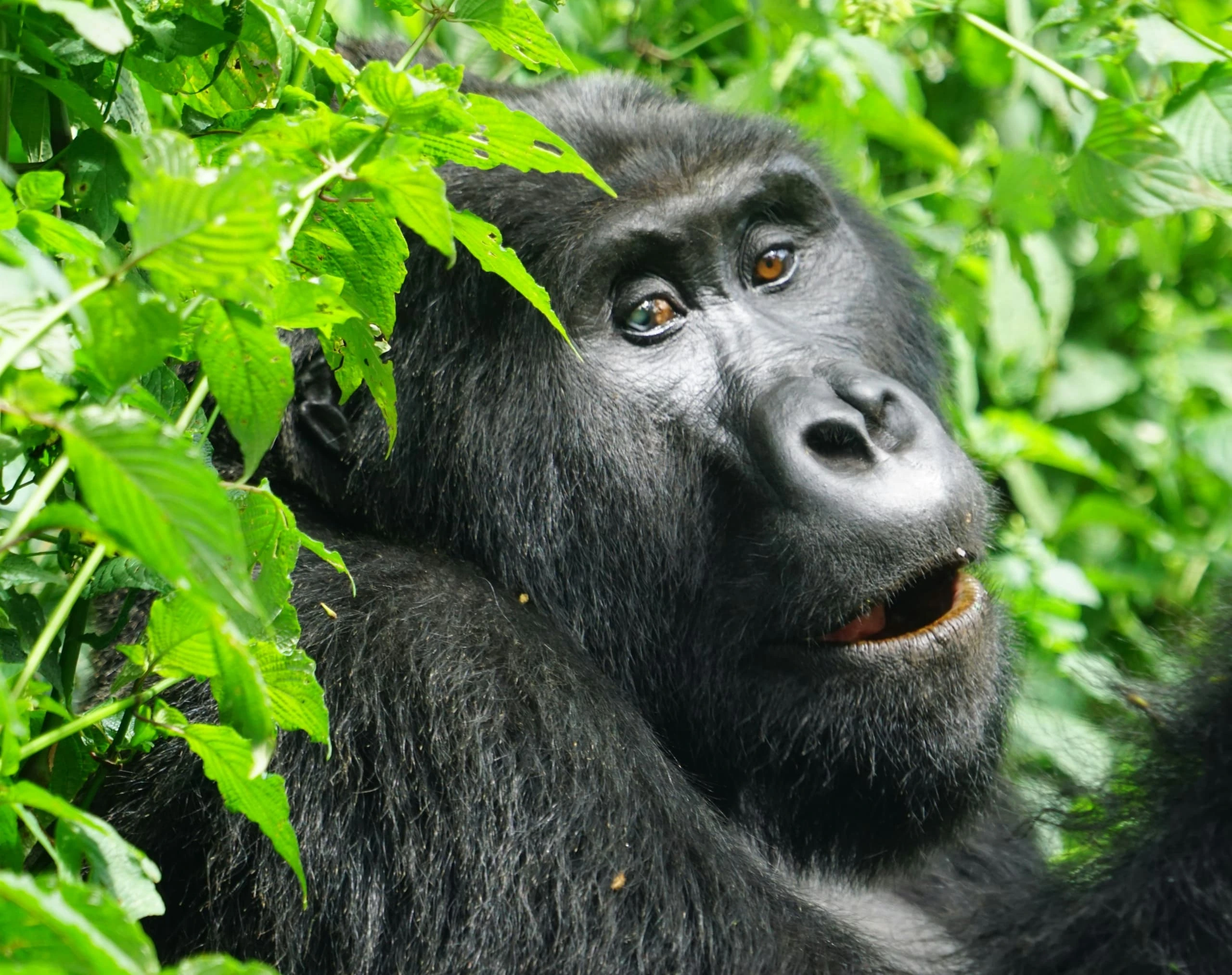
Uganda Gorilla Trekking in September – Great Weather, Fewer Crowds
Uganda gorilla trekking in September is an excellent choice for travelers looking to explore Bwindi Impenetrable or Mgahinga National Parks during the tail end of the dry season. September boasts mostly clear skies, mild temperatures, and ideal trekking conditions, avoiding the peak season crowds of July and August.
Securing Gorilla Trekking Permits now offers greater flexibility, easier trails, and better gorilla viewing. Adventurers, wildlife enthusiasts, and photographers alike will find September ideal for comfortable, accessible gorilla trekking.
September is a transitioning month from dry months to wet season. The availability of gorilla permits can be high and accommodation properties may offer discounted rates. A visit to Bwindi or Mgahinga in September comes with lush vegetation cover but short, thus providing incredible visibility of the mountain gorillas in their natural environment.
Why go Trek Uganda Gorillas in September
- Lower rates: September marking the end of dry season, there are higher chance of a great deal in securing a gorilla permit and better accommodation option.
- Fewer visitors: September isn’t peak month because it transitions to off-months meaning, you can easily embark on gorilla trek in a small group of visitors.
- Lush vegetation: If you are so much in love with photography, then expect to visit Uganda in September. The general vegetation cover in the gorilla trekking parks in Uganda record growth of lush vegetation perfect for photography.
- The ideal conditions: The extension of the dry season to September means you can track gorillas with fewer disturbances of rainfall. The weather is favorable, making it possible to navigate through the trails. Temperatures in most of Uganda gorilla safari parks range from 10 degrees to 22 Degrees Celsius.
Destinations to Visit for Gorilla Trekking in Uganda
Visit Bwindi Impenetrable National Park in September
Bwindi National Park boundaries extend to districts like Kanungu, Kabale, Rubanda, and Kisoro. Bwindi conservation area comprises 4 major regions, including Nkuringo, Rushaga, Ruhija, and Buhoma. The four regions/sectors have habituated families to be explored and treks begin with briefing. The Buhoma sector, in the north, houses the Mubare gorilla group. At Buhoma sector, expect to visit gorilla groups such as Katwe, Habinyanja, Rushegura, and Muyambi families. Ruhija gorilla groups include Oruzogo, Kyaguriro, Bitukura, and the Mukiza gorilla family.
Rushaga and Nkuringo are at the Southern end of the park. Rushaga holds the highest concentration of gorilla groups compared to any region in Bwindi. They include the Bweza gorilla group, Mishaya family, Rwigyi, Kutu, Mucunguzi gorilla family, Tindatine, Nshongi, Busingye, Bikingi, and others.
Other attractions to explore on Uganda safaris in Bwindi include bird species. The enormous bird species to expect to spot on a birding excursion in Bwindi Impenetrable National Park include mountain oriole, regal sunbirds, handsome spur fowl, black bee-eaters, Rwenzori nightjars, African broadbill, Doherty’s bushrike, Kivu ground thrush, and short-tailed warblers.
Bwindi Impenetrable National Park also features several hiking trails worth exploring on a guided nature walks. They include the Buhoma trail, Rushaga-Nkuringo trail, Mubwindi swamp, Ivy River trail, Rushura hill, Muyanga waterfall, Muzabajiro Loop, and others.
Visit to Mgahinga Gorilla National Park in September
Mgahinga should be a must visit to Uganda. The park lies in Kisoro, Southwestern Uganda and is forms a section of the Virunga Conservation Area. Mgahinga National Park is 33.7 sq. km and is lying at an altitude of 2227 to 4127 meters. At Mgahinga, the Nyakagezi family is the only group you should expect to visit for actual, up close and personal encounter with gorillas.
Besides gorillas, Mgahinga National park also protects a range of birds. Majority of the birds in Mgahinga comprise Albertine rift endemic and resident species. They include scarlet-tufted malachite sunbirds, Rwenzori turacos, Kivu ground thrush, cinnamon-chested bee-eaters, olive woodpeckers, hadada ibis, fire-finch stone chat, African paradise flycatchers, Alpine chat, handsome francolin, and red-throated alethe.
Mgahinga National Park also offers refuge to bird species such as blue-breasted bee-eaters, blue-headed coucals, strange weaver birds, grey-capped warblers, Archer’s robins, bronze sunbirds, purple-breasted sunbirds, and Chubb’s cisticola, etc.
How is gorilla trekking in Uganda done?
Gorilla trekking in Uganda starts early morning with a briefing session. The briefing session allows you to learn more about the gorilla trekking regulations and other safety measures. On the actual date of tracking gorillas, it should be a must for you to attend the briefing session because it is when your park official can assign a gorilla group or family plus the park ranger guide to lead you.
The park expects tourists at the offices around 6:30 am. You should be at the briefing site with the right gear. You should carry a pack of snacks and bottled drinking water. Expect the gorilla trek to last 2-6 hours, including an hour for a close encounter.
Expect to begin the actual search for a group of mountain gorillas at around 8:00 am and take about 2-6 hours. The length of the gorilla trek in Bwindi or Mgahinga National Park varies, but once you have located a family of gorillas, you enjoy a maximum of one hour with them.
How and What to Pack for Gorilla Trekking
You do not need to carry everything at home but select essentials only for Uganda gorilla trekking in September. On the packing list, the following should be a must-have; long-sleeved shirts, wide-brimmed safari hat, waterproof rain jacket, a pair of binoculars, a camera with no flashlight, a daypack, long trousers, bottled drinking water, hiking boots, insect repellent, a medical kit (first aid kit), and more.
What are the gorilla trekking regulations to follow?
In order to enjoy a successful gorilla trekking adventure in Uganda, expect to observe some of the set regulations. Here are some of the safety measures or rules for gorilla trekking to observe;
- Always keep about 8 meters away by gorillas to avoid spreading infectious diseases.
- Keep low your voices when trekking through the jungle while you search for gorillas.
- Group size per gorilla group/family- A maximum of 8 (eight) guests can track only one family of gorillas per day.
- To protect gorilla health, we will not allow visitors with infectious/contagious diseases, such as flu, cold, or diarrhea, to explore the gorillas.
- Only persons above 15 years may go gorilla trekking in Uganda.
- Avoid eating or drinking in the presence of gorillas.
- Avoid surrounding gorillas as this may act like a threat.
- Wash hands before you search for gorillas.
- Keep all rubbish properly, and bury a human waste 30 cm deep.
- On locating a gorilla group, you can stay for 1 hour as you enjoy a face-to-face encounter with mountain gorillas.
- Do not get off from your group, you came to track gorillas. Keep within your group to avoid getting lost in the jungle.
- When taking photos, consider turning off your flashlight before you start any photography action.
Final Thoughts on Uganda Gorilla Trekking in September
Uganda gorilla trekking in September is a hidden gem. With the end of the dry season, Bwindi Impenetrable and Mgahinga National Parks offer pleasant weather, smaller crowds, and ideal trekking. Dry trails, vibrant forests, and excellent chances to see mountain gorillas up close await.
For a comfortable yet adventurous trek with fewer crowds and more freedom, go in September.
Plan your unforgettable September gorilla safari with Native Africa Tours; expertly guided, responsibly operated, and personalized for you. See what our 5-star TripAdvisor reviews say and understand why travelers choose us for unforgettable gorilla trekking.