
Visiting Kenya in June: Your Ultimate Guide to Weather, Safaris, and Travel Tips
Visiting Kenya in June is an excellent choice for those seeking an authentic African adventure. It marks the start of the dry season, characterized by clear skies, more visible wildlife, and stunning landscapes that are perfect for photography. Unlike July and August, the peak safari months, June provides the same incredible experiences, such as game drives in the Masai Mara, spotting elephants in Amboseli, and relaxing on Diani’s beaches, but with fewer crowds and lower costs.
Whether you’re visiting for safari adventures, cultural experiences, or relaxing by the coast, June in Kenya offers a perfect blend: favorable weather, rich wildlife, and an environment that is lively yet peaceful. This guide explains why June is one of the ideal months to go, what to anticipate, and how to plan a trip to enjoy the season’s highlights.

The Coastal Area –Malindi, Diani, and Mombasa.
Temperatures vary from 22 degrees Celsius at night to 29 degrees Celsius during the day. Occasional breezes are experienced in the coastal region, but the conditions remain favorable for beach activities. June is a quiet month of the year, making it an ideal time for guests seeking peaceful retreats along the coastal region.
Northern & Eastern Kenya –Marsabit and Samburu
This is an arid area often experiencing a temperature range of 19 to 30 degrees Celsius. The dry season begins, and most wildlife can be spotted converging in the few water sources. This makes June an exceptional month for viewing wildlife, including zebras and giraffes.
The Great Rift Valley & Western Kenya
The Rift Valley and Western Kenya, a region comprising Kisumu, Naivasha, and Nakuru, experience a temperature range of 11 °C to 24 °C. The weather conditions in June are ideal for game viewing and birding tours in Lake Naivasha and Lake Nakuru National Park.
Wildlife to Spot in Kenya in June
June is an ideal time to encounter the diverse wildlife. Vegetation cover tends to be less dense, making it easier to view a variety of wildlife in Kenya’s premier Game Reserves and Parks. The Masai Mara National Reserve is the top destination to explore and an excellent spot to find the Big 5: African lions, rhinos, buffalo, leopards, and elephants. The Reserve also shelters a variety of other mammals, including hartebeest, bushbucks, bat-eared foxes, common elands, crested porcupines, wildebeests, hyenas, and jackals.
The Masai Mara is also an iconic birding destination. The birds to identify include speckled mousebirds, Kori bustards, saddle-billed storks, Jackson’s widow birds, giant kingfishers, cinnamon-breasted bunting, African fin-foot, Abdim’s storks, rufous-bellied heron, ostriches, grey-crested helmet-shrike, Ross’s turacos, yellow-throated sandgrouse, tabora cisticola, Swahili sparrow, and secretary bird.
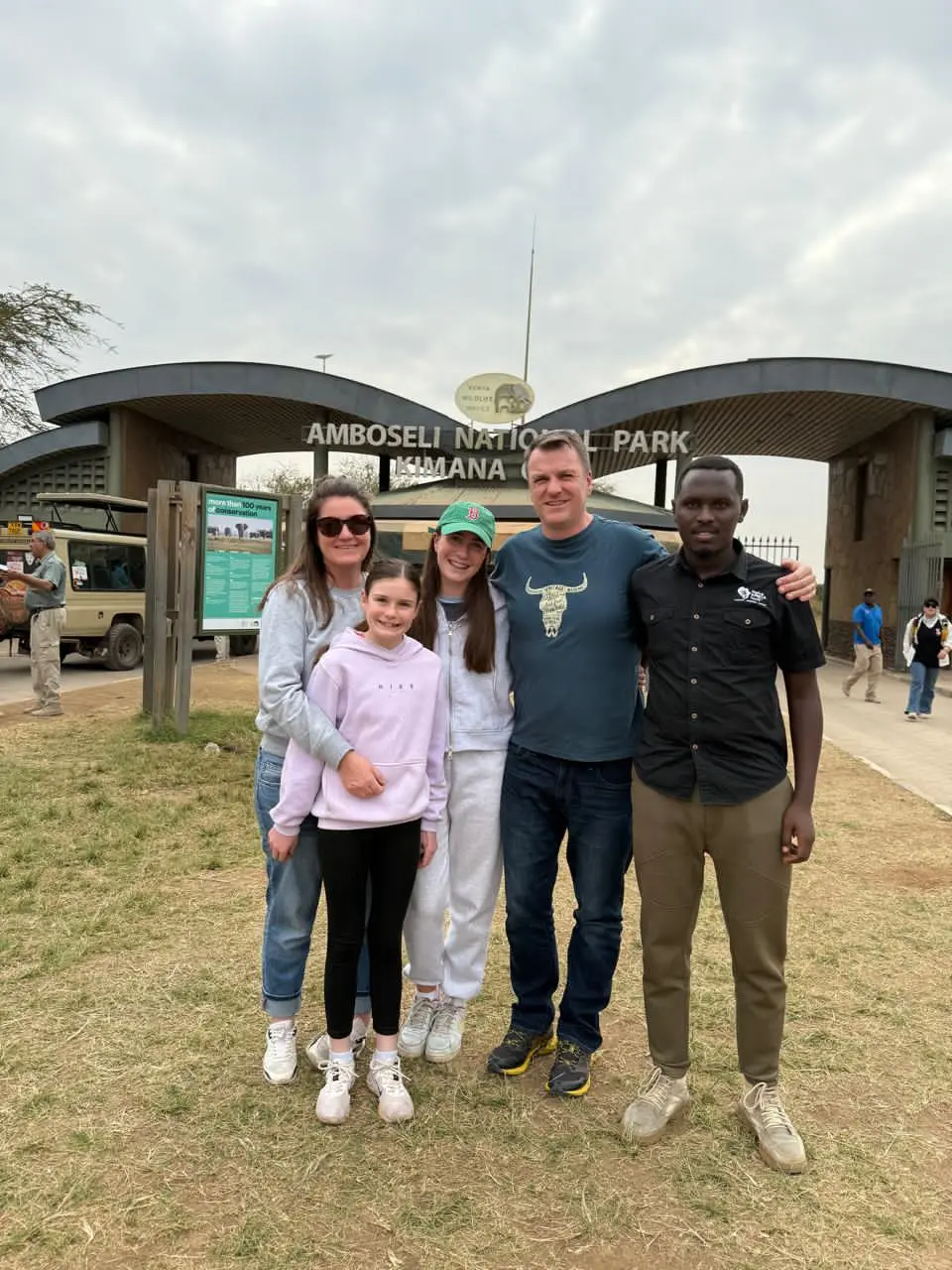
Amboseli National Park
Amboseli National Park is an ideal destination for first-timers on Kenya tours. The Park is compact, making it easier to traverse on a guided wildlife safari in Kenya. Amboseli is set in the area overlooking Mt. Kilimanjaro –Africa’s tallest volcano. Amboseli protects a range of wildlife, including wildebeests, lions, giraffes, buffalo, gazelles, zebras, elephants, and over 400 species of birds.
The enchanting Amboseli hosts birds such as secretary birds, martial eagle, lesser flamingo, African jacanas, white-headed buffalo weaver birds, grey crowned cranes, pangani long-claws, water thick-knee, Taveta golden weaver birds, long-toed lapwing, goliath heron, white-bellied bustards, rufous chatterer, Dickinson’s kestrel, steel-blue whydahs, and common redshank.
Lake Nakuru National Park
Lake Nakuru National Park offers excellent game viewing expeditions. At Lake Nakuru National Park, expect to encounter a diverse array of wildlife, including black and white rhinos, Rothschild’s giraffes, leopards, lions, and over 350 bird species. Lake Nakuru Game Park holds birds such as Northern pintails, hottentot, Maccoa ducks, fulvous whistling ducks, Garganey tufted ducks, Egyptian goose, red-billed teal, Eurasian wigeon, yellow-necked spurfowl, harlequin quail, common quail, crested francolins, scaly francolins, dusky turtle doves, speckled pigeon, black-necked grebe, red-eyed dove, Namaqua dove, blue-spotted wood dove, laughing dove, yellow-throated sandgrouse, slender-tailed nightjars, Montane nightjars, European nightjars, freckled nightjars, Sombre nightjars, Alpine swift, Great white and pink-backed pelicans.
Lake Nakuru National Park is an excellent destination for birders to identify birds such as black herons, intermediate egrets, cattle egrets, squacco herons, striated heron, western reef egrets, pied avocet, grey plovers, spotted thick-knee, Eurasian thick-knee, chestnut-banded plovers, black-winged lapwings, Africa wattled lapwings, Caspian plovers, lesser sand plover, Kentish plovers, three-banded plovers, African and lesser jacanas, bar-tailed Godwit, ruddy turnstone, etc.
Samburu National Reserve
If your interest in Kenya is birding, then Samburu should be a must-visit. Samburu isn’t only popular for its special 5 game but also for its unique bird species. The special five species to find in Samburu National Reserve include Beisa Oryx, Somali Ostriches, Grevy’s Zebras, Reticulated Giraffes, and Gerenuk. The reserve also supports a vast concentration of elephants and big cats. The birds inhabiting the Samburu National Reserve include drongo, African open bills, African harrier-hawks, black-crested snake eagles, black kites, African fish eagle, vulturine Guineafowl, Golden-breasted starling, Somali ostriches, and lilac-breasted rollers: palm-nut vultures, and more.
The other places to explore on a Kenya tour in June include Nairobi National Park, Mombasa Marine National Park, Tsavo National Parks, Mount Kenya National Park, and Hell’s Gate National Park.
What to do in Kenya in June
A myriad of memorable experiences await you on a tour in Kenya in June. These include witnessing the wildebeest migration. The Great Migration starts around June, and the Masai Mara National Reserve is the ideal place to explore. Millions of wildebeests congregate in the plains of the Masai Mara in search of pasture and water. The unique safari highlight in the Masai Mara is the Mara River crossing, when a massive concentration of wildebeest, along with other grazers, fearlessly cross the treacherous Mara River.
Experience the annual events in June, including the Lake Turkana festival and Madaraka Day. Madaraka Day is a public holiday and falls on June 1st, the day Kenya gained independence. Kenya officially attained its independence in 1963, and in Kiswahili, the word “Madaraka” means freedom. The Lake Turkana festival is held every June in Loiyangalani, and the celebration lasts approximately three days. It offers tourists a chance to explore more about Kenya’s cultures and traditions in the Northern part of Kenya. The everyday cultural interactions to expect include those with the Turkana, Samburu, Gabbra, El Molo, Watta, Dasannach, and other communities.
Game drives –wildlife safaris
June offers unmatched game viewing tours in Kenya. The big five and other mammals can be spotted in June in most of Kenya’s leading destinations. The best places to visit for game viewing in June include Lake Nakuru, Masai Mara National Reserve, Tsavo National Parks, Samburu, and Nairobi National Park.
Hike to the summits of Mt. Kenya.
Mount Kenya is the best hiking spot for adventure seekers in Kenya. It can take climbers about 4-6 days to conquer Pont Lenana. If you want to access the more technical peaks, such as Nelion and Batian, you will require an extra 2 to 3 days. The length of the trek may vary depending on the route you choose to hike.
Useful Travel Tips
Pack well for your Kenya vacation and start with the essentials. The items to pack include a rain jacket, a daypack, sun protection gear, comfortable, sturdy hiking boots, long-sleeved shirts, insect repellents, a waterproof daypack, a headlamp, a camera, a first aid kit, sunglasses, a pair of binoculars, sunscreen, a safari hat, a sweater, and many other items.
Book your accommodation options in advance to avoid last-minute stress. June is Kenya’s peak month, and demand for lodges in premier destinations like the Masai Mara or Amboseli is higher, requiring you to secure a place for overnight before the actual date of visiting Kenya for a holiday.
Final Thoughts: Traveling to Kenya in June
Visiting Kenya in June is more than just a vacation; it’s a chance to see Africa at its best. From the first signs of the Great Migration in the Masai Mara to the golden sunsets of Amboseli and the turquoise waters of Diani Beach, June offers unforgettable and unparalleled experiences. With cooler weather, fewer crowds, and incredible wildlife, it truly is one of the best months to visit Kenya.
If you’re ready to turn your dream safari or coastal escape into reality, let Native Africa Tours Ltd craft the perfect itinerary for you. Our team specializes in creating personalized Kenyan experiences that blend adventure, culture, and comfort, whether it’s a luxury safari, a family vacation, or a romantic beach getaway.