A Guide to Night Game Drives in Uganda
When most travelers dream of a Ugandan safari, their minds instantly conjure images of misty mountain gorillas in Bwindi Impenetrable Forest, or the thundering Nile River crashing through the narrow gorge of Murchison Falls. While these iconic daytime experiences are undeniably spectacular, they only tell half the story of the Ugandan bush. To truly understand the rhythm of the wild, you must venture out after the sun goes down. You must embark on night game drives while on a wildlife safari in Uganda.
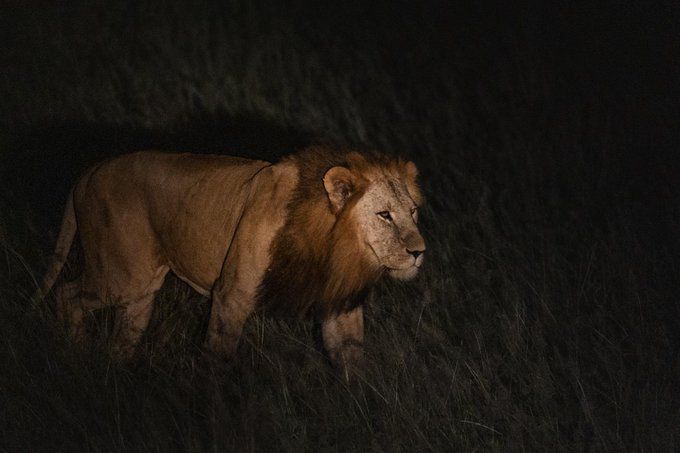
As dusk falls over the African savannah, a profound transformation takes place. The diurnal animals like elephants, zebras, and grazing antelopes all bed down for the night. In their place, a secretive, elusive cast of creatures awakens. A night game drive strips away the broad, sunlit panoramas of a traditional safari and replaces them with an intimate, suspenseful theater of shadows. Guided by the sweeping beam of a powerful spotlight, you track the glinting reflections of animal eyes in the dark.
Uganda is uniquely positioned to offer incredible nocturnal wildlife viewing thanks to its diverse ecosystems, which range from sprawling savannahs to dense acacia woodlands. However, night drives are highly regulated by the Uganda Wildlife Authority (UWA) to protect both the animals and visitors. As a result, this thrilling experience is only permitted in a select few of the country’s ten national parks.
Here is a comprehensive guide to the parks in Uganda where you can unlock the mystery of the night.
Murchison Falls National Park
If there is one park in Uganda synonymous with exceptional night game drives, it is Murchison Falls. As Uganda’s largest and oldest national park, Murchison boasts a massive biodiversity index and vast stretches of untouched wilderness, making it a prime hunting ground for nocturnal predators.
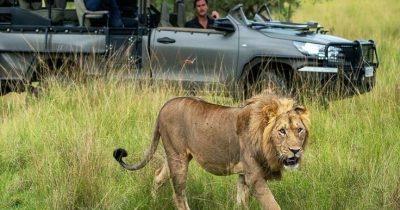
The night drives here are primarily conducted in the northern sector of the park, specifically around the Buligi Peninsula and the fertile delta area where the Victoria Nile flows into Lake Albert. This area is famous for its high concentration of predators. Under the cloak of darkness, your guide will scan the savannah for the unmistakable green or yellow eye-shine of lions. Murchison is renowned for its tree-climbing lions, and spotting one lounging in the branches silhouetted against a starlit sky is a profoundly surreal experience.
Leopards, incredibly elusive during the day, are also frequently spotted here at night, slinking through the tall grass in search of bushbucks or hares. Hyenas are a staple of the Murchison Falls night safaris, often seen pacing the roads or heard whooping in the distance. Additionally, the delta area is one of the best places in East Africa to spot the elusive Pennant-winged Nightjar, a bird with bizarre, streamer-like wing feathers that is almost exclusively seen at dusk.
Queen Elizabeth National Park
Queen Elizabeth National Park, aptly dubbed the “Pearl of Uganda’s Savanna,” is another premier destination for nocturnal safaris. While the Kasenyi Plains are famous for daytime lion tracking, the night drives are typically centered around the Mweya Peninsula.
The Mweya Peninsula is a striking piece of land jutting out into Lake Edward and the Kazinga Channel. Its diverse habitat of savannah, forest, and crater lake shores creates an ideal environment for a high density of nocturnal animals. Because the peninsula is relatively isolated, it acts as a natural enclosure for wildlife, making night sightings highly probable.
A night drive here feels distinctly different from Murchison. The air is thick with the sounds of the water, and the spotlight often catches the glowing eyes of hippos that have ventured out of the water to graze on the lawns near the lodge. Spotted hyenas are incredibly bold in this area, often approaching the vehicle closely. Leopard sightings are also frequent, particularly in the thickets bordering the channel. For birding enthusiasts, Mweya at night is a paradise for spotting owls, such as the Verreaux’s Eagle-Owl and the Pearl-spotted Owlet.
Kidepo Valley National Park
For the intrepid traveler willing to journey to the extreme northeastern corner of Uganda, Kidepo Valley National Park offers a night game drive unlike any other. Often described as Africa’s hidden gem, Kidepo is a rugged, semi-arid wilderness that feels utterly primeval.
Night Game drives in Kidepo in north eastern Uganda usually take place in the Narus Valley, the lifeblood of the park, where permanent water sources attract a wealth of wildlife. Because Kidepo receives far fewer visitors than Murchison or Queen Elizabeth, a night drive here feels like a genuine, exclusive exploration. You are alone in the vast African darkness.
The nocturnal wildlife here has adapted to the harsh, dry environment. While you will certainly look for lions and leopards, Kidepo offers the chance to see creatures rarely found in other parts of Uganda. The spotlight might reveal the bizarre, bat-eared fox, a small canid with massive ears used for detecting underground insects. You might also spot the aardwolf, a shy, insect-eating relative of the hyena, or the strutting secretary bird roosting in a low tree. The absolute lack of light pollution in Kidepo also means that, between scanning the bushes, you can look up to see one of the most breathtaking, Milky Way-filled skies on the planet.
Lake Mburo National Park
Lake Mburo National Park is the closest savannah park to Kampala, making it a popular weekend getaway. Despite being the smallest of the savannah parks, it punches well above its weight when it comes to nocturnal sightings.
The park’s landscape is characterized by rolling hills, rocky outcrops, and dense patches of woodland. Night drives here are highly rewarding, particularly if your goal is to see leopards. Lake Mburo has a surprisingly high density of leopards, and because the park is relatively small and fenced in certain areas, the chances of encountering one on a night drive are exceptionally high.
Beyond leopards, Lake Mburo is alive at night with smaller, fascinating creatures. You are likely to see bushbabies with their massive, reflective eyes leaping through the canopy, porcupines shuffling through the underbrush, and a variety of small-spotted genets. The drives here offer a more intimate, enclosed feeling, focusing heavily on the intricate micro-ecosystems that thrive in the dark.
To make the most of the experience, preparation is key.
- Dress in Layers: The equatorial savannah gets surprisingly cold once the sun sets. A fleece jacket, a warm hat, and a light windbreaker are essential.
- Bring a Camera with Good ISO: Night wildlife photography is challenging. A camera that handles high ISO well, paired with a fast lens, is necessary if you want to capture the moments.
- Respect the Spotlight: Guides use red filters or keep the light slightly diffused to avoid blinding the animals. Never shine your own flashlight or phone torch out of the vehicle, as this can disorient and stress the wildlife.
- Embrace the Silence: The best way to find animals at night is by listening. Hyena whoops, the alarm calls of nightjars, or the crunch of leaves will guide your ranger more than their eyes. Keep voices to a whisper.
Conclusion
Night game drives in Uganda are a masterclass in patience and awareness. It shifts your focus from the vast, sweeping landscapes of the day to the intimate, microscopic details of the dark. Whether you are locking eyes with a hunting leopard in Murchison, listening to the haunting calls of hyenas in Queen Elizabeth, or marveling at the cosmic scale of the sky in Kidepo, exploring the Ugandan bush after dark is an unforgettable adventure. It is a vivid reminder that the wild never sleeps; it simply changes its guard.