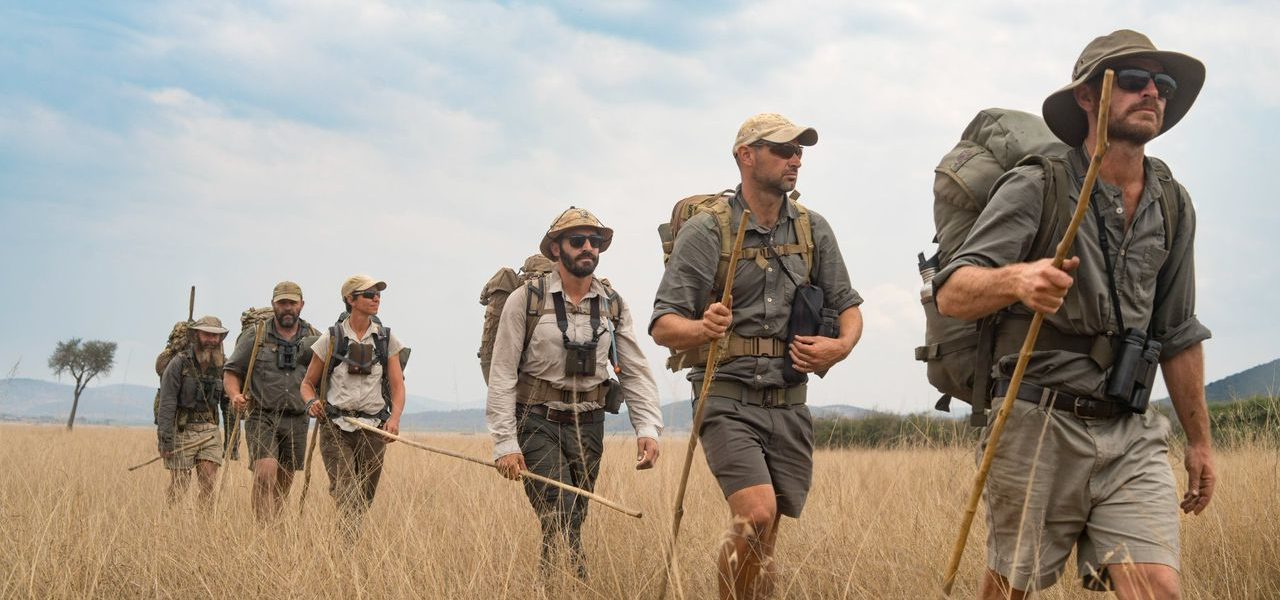
The Ultimate Guide to Walking Safaris in Akagera National Park
For decades, the classic African safari was defined by the rumble of a diesel engine, the metallic click of a camera lens, and the elevated vantage point of an open-topped Land Cruiser. While traditional game drives offer unparalleled access to vast landscapes and elusive predators, they also create a barrier between the observer and the observed. Enter the walking safari: a return to the raw, primal roots of exploration. And there is perhaps no better place in East Africa to experience this intimate reconnection with nature than Rwanda’s Akagera National Park walking safaris.
Located in the northeast of Rwanda, along the country’s border with Tanzania, Akagera is a landscape of startling contrasts and abundant beauty. It is a park where rolling hills of savannah meet labyrinthine wetlands, where dense acacia thickets give way to shimmering lakes. While the park has rightfully earned a reputation for its incredible conservation success story – most notably the reintroduction of lions and rhinos – it is on foot that the true, nuanced magic of Akagera reveals itself.
The Transformation of Akagera National Park
To understand the walking safaris experience in Akagera national park, one must first appreciate the park’s remarkable resurrection. In the 1990s, following the devastating Rwandan genocide, the park was decimated by unchecked poaching, encroaching human settlement, and invasive species. Much of its wildlife was wiped out, and its ecosystem was pushed to the brink of collapse.
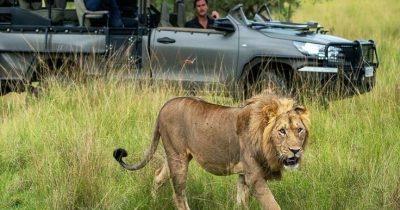
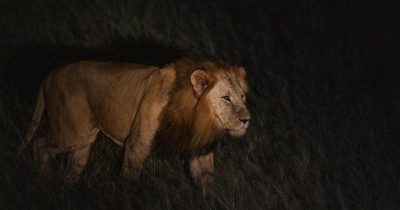
In 2010, the Rwandan government partnered with African Parks, a non-profit conservation organization, to manage Akagera. What followed was one of the most successful wildlife restoration projects on the continent. Fences were erected, anti-poaching units were trained, and key species were reintroduced. In 2015, seven lions were brought in from South Africa; in 2017 and 2019, eastern black rhinos followed.
Today, Akagera is a thriving, self-sustaining ecosystem. It is one of the most biodiverse savannah parks in the region, boasting the “Big Five” alongside massive herds of elephants, buffalo, zebras, giraffes, and over 500 bird species. It is against this backdrop of hard-won conservation triumph that the walking safari takes place.
The Anatomy of a Walking Safari
A walking safari in Akagera is not a rugged, survivalist trek. It is a carefully curated, deeply educational experience designed to immerse you in the microcosm of the bush. The standard walk usually lasts between two and three hours and is conducted in the early morning or late afternoon, times when the African sun is less oppressive, the temperatures are cool, and the animals are most active.
Groups are intentionally kept small, usually capped at six to eight participants. This ensures a quiet, unobtrusive presence and allows the guides to give personalized attention to everyone. Upon meeting your guides, there is a comprehensive safety briefing. You are taught how to walk in a single file, how to position yourself in relation to the guide and the wind, and the specific hand signals used to communicate in silence.
The Guides of Akagera National Park Know What They Do
The true heroes of the Akagera walking safari are the guides. In a vehicle, a guide relies on tracks, experience, and radio calls to find animals. On foot, the guide’s role transforms into that of an interpreter. They are reading a living, breathing manuscript written in the dust, the bent grass, and the scent of the air.
These guides are highly trained, armed rangers who possess an encyclopedic knowledge of the ecosystem. As you walk, they will suddenly stop and point out a track in the dirt that, to the untrained eye, looks like a random scuff mark. They will tell you it is a female leopard, walking with a heavy belly, passing through this exact spot just two hours before dawn.
They will draw your attention to the alarm calls of a go-away-bird or the frantic chirping of a squirrel, translating these sounds into a spatial map of where a predator might be lurking. This interactive tracking turns the landscape into a giant, thrilling detective story.
What Makes a Walking Tour in Akagera Special?
Walking shifts your sensory paradigm entirely. In a vehicle, you are a passive observer moving quickly through a widescreen panorama. On foot, you are an active participant in a 360-degree world. Your visual range shrinks, but your other senses heighten dramatically.
You begin to notice the texture of the earth beneath your boots. You smell the sweet, sun-baked grass, the earthy musk of elephant dung, and the sharp, almost citrus-like scent of crushed wild sage as your pants brush against it. At this point you will hear the symphony of the bush: the grunt of a hippo hidden in a nearby papyrus swamp, the hollow knock of a woodpecker, and the rhythmic crunch of your own footsteps.
Furthermore, walking allows you to appreciate the “Little Five.” While seeing an elephant or a lion on foot is a rare and exhilarating privilege, a walking safari is largely about the smaller miracles of the bush. You might spend twenty minutes watching a procession of driver ants, examining the intricate architecture of a termite mound, or observing a brightly colored agama lizard doing push-ups to assert its dominance on a sunlit rock. You will learn about the traditional uses of various plants and trees, from the medicinal properties of the sausage tree to the stubborn resilience of the euphorbia.
How Safe are Walking Safaris in Akagera National Park?
It is natural to feel a flutter of apprehension before stepping out of a vehicle in big-game country. However, safety on a walking safari is not left to chance; it is meticulously managed. The presence of highly trained, armed guides is not just a legal requirement, but a critical layer of security. Guides are experts in animal behavior and know exactly how to avoid dangerous encounters, and more importantly, how to de-escalate them if they occur.
Yet, it is precisely this controlled vulnerability that makes the walking safari so intoxicating. When you are on foot, the illusion of human dominance fades away. You are acutely aware that you are no longer at the top of the food chain. When you encounter a towering giraffe or a massive herd of Cape buffalo from a safe, respectful distance, the adrenaline rush is entirely different from seeing them from a car. It is a deeply humbling experience that fosters a profound respect for wild animals.
When and How to Go
The best time for walking safaris in Akagera National Park is during the dry seasons: from June to September, and again from December to February. During these months, the vegetation is sparser, making it easier to spot wildlife and navigate the terrain, and the risk of encountering heavy rains or flooded trails is minimal.
Walking safaris must be booked in advance through the Akagera Management Company or licensed luxury operators such as Native Africa Tours. Because of the strict safety protocols, children under a certain age (usually 12 or 15) are not permitted to participate.
Conclusion
A walking safari in Akagera National Park is not merely an activity to tick off a bucket list; it is a visceral, grounding experience that alters your relationship with the natural world. It strips away the modern trappings of technology and speed, replacing them with ancient instincts and mindful observation.
Akagera is a park that has fought its way back from the brink, a testament to what dedicated conservation can achieve. To walk through its savannahs, to feel the Rwandan sun on your shoulders, and to trace the footsteps of the very animals that have reclaimed this land, is to become a part of that conservation story. Whether you are a seasoned safari-goer looking for a new perspective or a first-time visitor wanting to bypass the windshield, stepping into the wild of Akagera on foot is an adventure you will carry with you for the rest of your life.