Introduction to Tree-Climbing Lions in Ishasha
Ishasha, a remote and atmospheric sector in the southern reaches of Queen Elizabeth National Park (QENP) in southwestern Uganda, is world-famous for one extraordinary wildlife behaviour: tree-climbing lions. For many visitors, seeing a lion relaxing in the fork of a fig or acacia is a highlight that defines their African safari. Yet sightings are never guaranteed. This article examines the real chances of spotting tree-climbing lions in Ishasha, and explains the ecological, seasonal, and logistical factors that influence sighting probability. It also offers practical advice on where and when to look, how to maximise your chances, what to expect from a game drive, and the ethical and conservation considerations connected to this remarkable behaviour.
What Makes Lions Climb Trees?
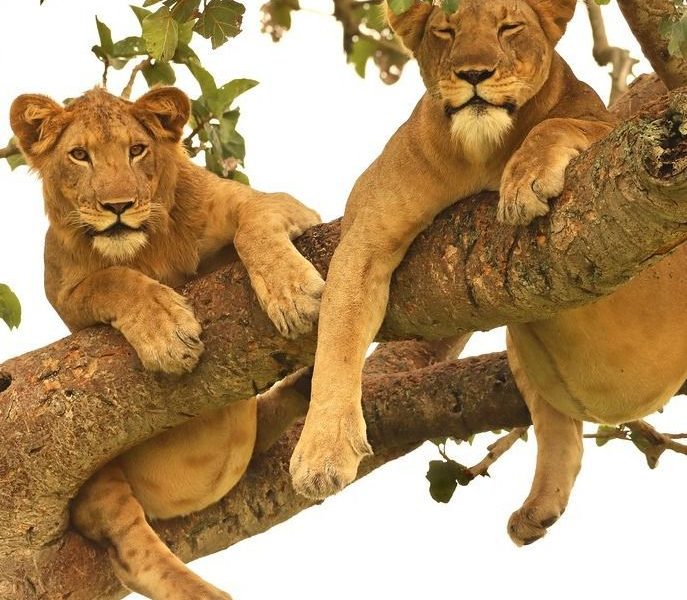
Tree-climbing lions are not a separate species; they are typically the same African lion (Panthera leo) that, in certain populations, shows a pronounced tendency to climb and rest in trees. The phenomenon is best known from the Ishasha Plains in Uganda and from parts of Lake Manyara and the Ngorongoro Highlands in Tanzania. In Ishasha, lions, especially prides composed of females, sub-adults, and occasionally males, are frequently observed lounging on large fig (Ficus) or acacia tree branches during the heat of the day. Scientists attribute this behaviour to a mix of ecological and social factors: avoiding biting flies and pests, catching cooling breezes, escaping wet ground, gaining vantage points for scanning the plains, and possibly thermoregulation. Individual temperament and learned behaviour within prides also play a role; if a dominant lion takes to trees, others may follow.
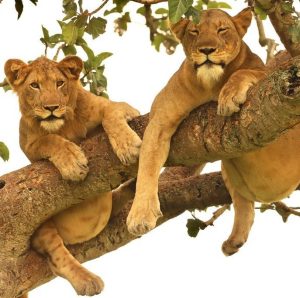
Ishasha’s Unique Ecology and Lion Behaviour
Ishasha’s landscape is a mosaic of open savanna, swampy wetlands, fertile plains, and gallery forest. This diversity creates microhabitats that influence lion behaviour:
The presence of sturdy trees with horizontal branches provides the perfect “perches” for reclining lions. Ungulate herds, buffalo, Uganda kob, waterbuck, and others support lion populations. When prey is plentiful, lions may spend more daytime hours resting, sometimes in trees.
During the wet season, ground conditions can be wet and buggy; tree perches offer a dry, breezy refuge. In some parts of Africa, lions climb trees to avoid human disturbance or tsetse flies; in Ishasha, the drivers appear ecological and social rather than human-avoidance per se.
The Ishasha tree-climbing lions have captured tourist imaginations since the mid-20th century, becoming an iconic attraction of QENP. Research on the behaviour continues, but long-term observation indicates that tree-climbing is a consistent and regionally characteristic behaviour rather than an occasional quirk.
How Common Are Tree-Climbing Lions in Ishasha?
Short answer: fairly common, but not guaranteed. Several factors determine how likely you are to see lions in trees on any given visit:
- Presence of known prides and individuals: Ishasha hosts resident prides whose ranges include the fig-tree-lined channels and plains where tree-climbing occurs. If you locate a pride known to use trees regularly, chances improve.
- Time of day: Lions are crepuscular (most active at dawn and dusk), so midday sightings often capture them resting. Tree-climbing lion sightings often happen during late morning to mid-afternoon when they seek shade and respite.
- Seasonality: During the hotter, drier months and wet seasons when insects proliferate, or the ground is damp, tree-perching seems more frequent. However, this varies year to year with rainfall and prey movement.
- Recent disturbance or pride dynamics: New pride dynamics, such as male takeovers or increased human or vehicle disturbance, can temporarily alter behaviour and reduce tree use.
- Survey effort and luck: As with all wildlife viewing, time spent in the right areas and a bit of luck matter. Longer stays, repeat drives, and guides who know pride ranges increase your odds.
No simple statistics guarantee a percentage chance for any specific day. Some tour operators and lodges report that during peak seasons and with experienced drivers, visitors may see tree-climbing lions on 50–65% chances of game drives in Ishasha. Other times, especially during low prey density or after pride relocations, sightings may be much lower. These figures are approximate and vary by operator, season, and luck.
Best Time of Day to Spot Tree Climbing Lions
Midday to early afternoon: Because lions often seek comfortable resting spots after the cooler dawn activity, many tree-climbing observations occur between late morning and early afternoon (roughly 11:00–15:00). During these hours, lions may be sunning, grooming, or dozing on branches.
Early morning and late afternoon drives: While tree sightings are less common during active hunting windows (dawn and dusk), early or late drives increase the chance of seeing lions move to or from resting spots, valuable if you want both active behaviour and tree-perching in a single visit.
Night drives (where permitted): Queen Elizabeth National Park offers night drives in certain areas; although tree-climbing lions are less likely to be seen in trees at night, nocturnal observation can reveal other lion behaviours.
Best Locations for Tree-Climbing Lions in Ishasha
The Ishasha River channels and adjacent fig and acacia trees. The plains and floodplain edges where tall trees occur as isolated shade points. Areas near permanent water holes and salt licks that attract prey and, consequently, predators.
Experienced local guides and rangers are invaluable. They know pride territories, recent sightings, and likely midday rest sites. Many lodges maintain sighting logs and can advise guests which sections of Ishasha have had recent tree-lion activity.
How Guides and Drivers Increase Your Chances
Local knowledge and scouting: Guides at Native Africa Tours regularly operate in Ishasha, and have, over time, learnt pride routines and sleeping trees. They often keep in touch with park rangers and other drivers to share recent sightings.
Timing and patience: A good guide times drives to be at known perches during midday and is willing to stake out a site for an extended period when lions are expected.
Vehicle positioning: Skilled drivers position vehicles quietly and at respectful distances that allow unobstructed viewing without disturbing the animals.
Combined strategies: Combining morning and midday drives (searching during dawn activity and returning to probable resting trees) provides the best balance for witnessing both hunting and tree-resting behaviour.
What to Expect on a Game Drive in Ishasha
Seeing a lion in a tree in Ishasha is one of those once-in-a-lifetime wildlife moments, dramatic, photogenic, and emblematic of East African safari lore. While sightings are common enough that many visitors do encounter tree-climbing lions, they remain wildlife encounters subject to the whims of ecology, season, pride dynamics, and pure luck. By understanding the factors that influence sightings, you can make informed choices that increase your odds.
Practical strategies improve your chances substantially. Equally important is a respectful, conservation-minded approach that values the welfare of the lions and the long-term protection of their habitat. With preparation, patience, and a bit of luck, Ishasha’s iconic tree-climbing lions may reward you with an image and memory that will last a lifetime.