
Combining Gorilla Trekking in Uganda with a Kenya Safari
Combining gorilla trekking in Uganda with a Kenya safari is one of the most rewarding ways to experience East Africa. In Uganda, you’ll step into one of the planet’s most intimate wildlife encounters, tracking mountain gorillas in dense, misty forests, while Kenya offers the classic safari dream: open plains, iconic wildlife, and a sense of scale that’s hard to match anywhere else.
Together, these experiences create an extraordinary two-part journey: one unforgettable “forest world” and one sweeping “savannah world.” If you’re planning a trip and want a holiday that feels complete, with wildlife, landscapes, culture, and adventure, this combination delivers.
This article explains why this pairing works so well, how to plan it effectively, what the safari and trekking phases feel like, and how to build an itinerary that fits real travel time and real energy levels.
Why Combine Uganda and Kenya in One Tour?
There are many reasons travellers choose to combine the two destinations:
Two ecosystems, two kinds of wonder
Uganda: lush rainforest and steep terrain, where you track gorillas on foot and spend quiet time observing them.
Kenya: grasslands and savannah habitats, where animals roam openly, and you watch hunting, herding, and migration-style drama from a vehicle or on guided outings.
In just one holiday, you get two distinct “wildlife styles.” Gorilla trekking teaches patience and respect; Kenya safari teaches scale, speed, and variety.
You maximise your bucket-list value.
Gorilla trekking is rare, permits are limited, and the encounter is tightly managed. Wildlife Tours in Kenya are also a once-in-a-lifetime experience for many people. Doing both within one trip often feels like the best use of time and travel costs, especially if you’re flying in from far away.
The journey creates a narrative.
A memorable trip often has a storyline. Think of it like this: Uganda becomes your emotional, immersive beginning, silence, anticipation, and reverence. Kenya becomes your celebratory “grand finale”, with bright landscapes, dramatic sightings, and day-after-day exploration. That emotional shift is part of what makes this combination so popular.
Getting the Big Logistics Right
Before booking flights and permits, it is important to plan the order and pacing of the trip. Gorilla trekking days have fixed timing and can be physically demanding. Safari days are flexible in many areas but still depend on road conditions, driving distances, and park schedules.
Choosing the best sequence
Most travellers do Uganda first, then Kenya. Gorilla trekking is the most constrained activity due to permit scheduling. After trekking, you may want the comfort of a more “vehicle-based” wildlife pace. If there’s any weather-related uncertainty on trekking day, you still have Kenya afterwards with additional flexibility. However, either order can work; what matters most is not running your schedule so tight that one delay derails everything.
Uganda Gorilla Trekking
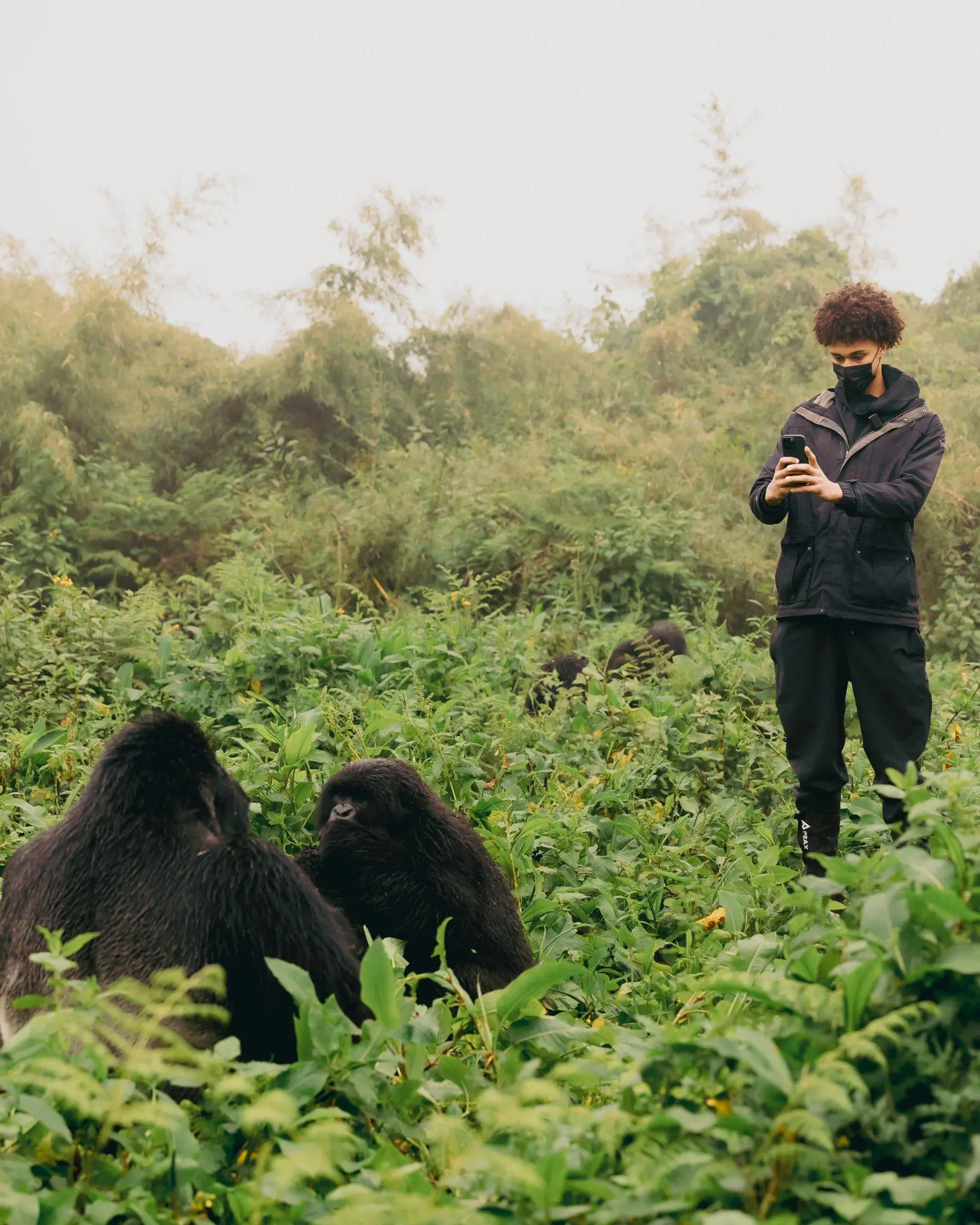
Gorilla trekking is often described as “walking with purpose.” It’s not a long-distance hike like a mountain climb, but it is a focused trek through rugged vegetation. The ranger team searches for signs of the habituated gorilla group, and the trekking route depends on gorilla movement.
- Early start: trekking begins early to maximise daylight and give rangers enough time.
- Briefing: You’ll receive safety and behaviour guidelines. Gorilla encounters have strict rules because the animals’ health matters.
- Walking on uneven terrain: you move carefully, often at a slow and steady pace.
- Silence and discipline: the encounter isn’t “wild chaos.” It’s a respectful observation.
- A time-limited viewing period: once you find the gorillas, your time is managed to reduce stress on the group and to keep the program safe for visitors.
Many travellers say the experience feels peaceful rather than frightening. You’re close enough to see gorilla behaviour clearly, feeding, resting, interacting, yet the encounter remains controlled by the program rules. The result is a deeply memorable moment that feels personal and grounding.
Kenya Safari
Kenya is large, but you don’t need to cover everything. A successful safari depends on matching park selection to your wildlife priorities and travel budget. If you want the “big safari feeling,” the Maasai Mara is often the highlight. Famous for lions and predator drama, excellent for the chance to see large herds and diverse wildlife, and widely known for excellent game-viewing.
For many travellers, Maasai Mara National Reserve is where the Kenya trip truly feels like a safari movie—wide-open plains, animals at a distance, and sightings that build with each drive.
How Many Days Do You Need for This Combination?
A common mistake is planning too short an itinerary. Because you’re combining two countries and a trekking permit day, you need enough time to absorb each experience.
Uganda: at least 2–3 days, including trekking logistics (arrival, acclimation, trek day, and recovery).
Kenya: at least 3–5 days for meaningful safari viewing.
For many travellers, a good total is 7–12 days, depending on flight routes and how relaxed you want the schedule to be.
Building a Balanced Itinerary (Example Structure)
Here’s a sample structure that works for many travel styles (not a strict plan, but a helpful template):
Day 1: Arrive in Uganda and Rest
Arrive, transfer to your lodge, enjoy an easy evening, perhaps a short guided walk or cultural activity if you have energy.
Day 2: Transfer to Bwindi or Mgahinga
This is your buffer day. You attend the briefing, confirm gear, and take it easy physically.
Day 3: Gorilla trekking day
The core experience. Plan a calm day afterwards.
Day 4: Transfer to Kenya (or travel day)
You’ll likely lose part of the day to movement and check-in.
Day 5: First Kenya safari day
Begin in a safari-friendly park like the Maasai Mara or an alternative circuit area.
Day 6–8: Game drives and wildlife exploration
Multiple drives per day. Consider a morning and afternoon rhythm to maximise sightings.
Day 9–10 (optional): Additional Park or relaxation
If time allows, you can add diversity—more wilderness, scenic landscapes, or a different habitat.
Final day: Depart
Build in time for airport transfer and travel formalities.
The key concept, give yourself room to recover after trekking and to enjoy safari days without feeling rushed.
Who This Combination Is Best For
This Uganda and Kenya adventure is ideal for travellers who want variety in wildlife encounters (forest + savannah), are comfortable with early starts and at least one physically demanding day, value a once-in-a-lifetime experience more than a relaxed, slow-paced trip, and enjoy the emotional depth of gorilla trekking as well as the thrill of safari sightings.
It may be less ideal if someone wants only low-physical-effort activities. But even then, families and older travellers can sometimes participate with careful itinerary design and assistance planning.
Why This Journey Stands Out
Combining gorilla trekking in Uganda with a Kenya safari creates a rare emotional balance: awe in the forest and exhilaration on the plains. You witness an endangered species up close under strict conservation rules, then you shift into a wider stage where predators and large herds reveal the dramatic energy of savannah ecosystems. If you plan thoughtfully, you’ll end up with a trip that feels like two great adventures stitched into one unforgettable holiday.