
Golden Monkey Habituation in Mgahinga
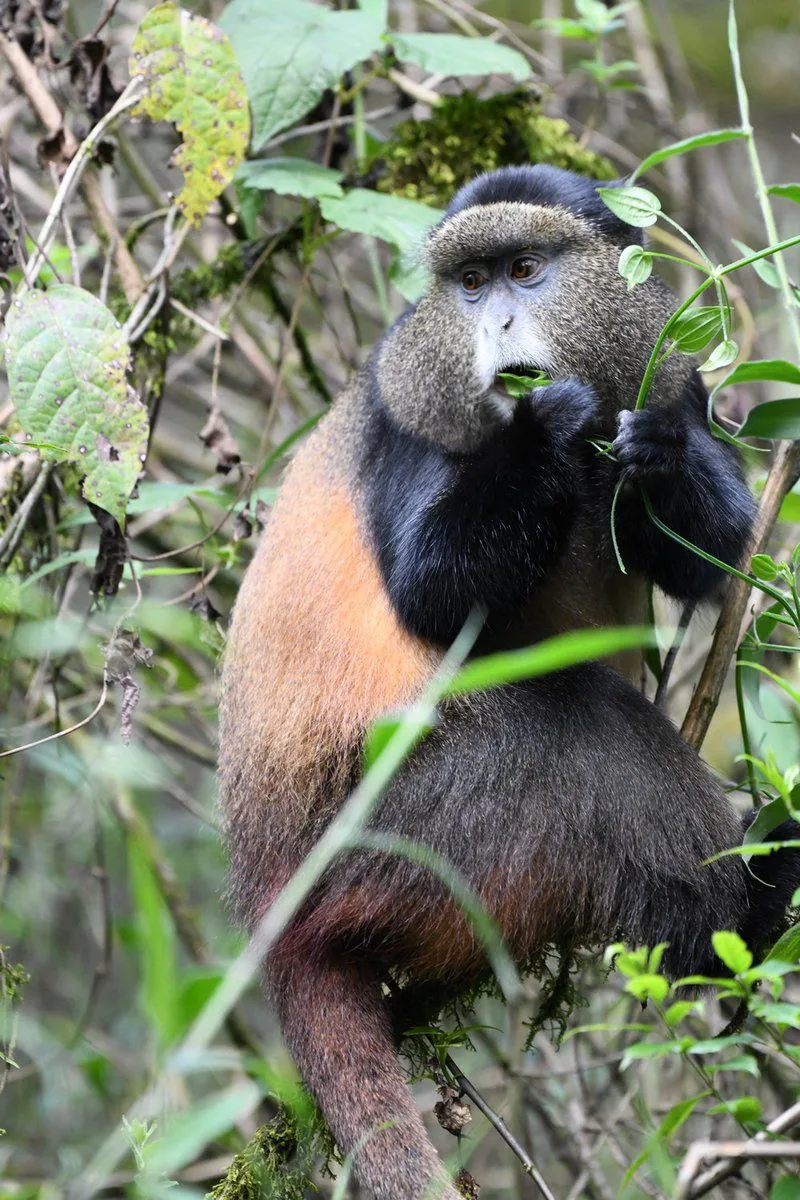
Golden monkey habituation in Mgahinga is one of those experiences that turns a “wildlife trip” into something deeper. Instead of simply trekking to look for monkeys from a distance, habituation immerses you in a gradual process designed to help golden monkeys become comfortable with human presence under strict conservation and ranger supervision. The result is a more intimate viewing experience, where you can observe natural behaviours such as feeding, socialising, alert calls, and movement through the forest with less uncertainty than on standard treks.
Located in Rwanda’s far northwest, Mgahinga Gorilla National Park is part of the greater Virunga ecosystem, an area known for rugged volcanoes, dense forests, and vibrant biodiversity. While gorilla trekking is often the first thing travellers search for, habituation with golden monkeys offers a distinctive perspective on life at high altitude: cool mountain air, bamboo-like thickets, misty green slopes, and the unmistakable charm of a primate that looks almost “lit from within” by its golden fur.
Whether this is your first primate encounter or you’re expanding your Rwanda wildlife experiences, golden monkey habituation in Mgahinga is a journey built on patience, respect, and quiet excitement.
What Is Golden Monkey Habituation?
Golden monkey habituation is a controlled conservation-based activity. In simple terms, it means that the monkeys are slowly trained to tolerate the presence of people without showing strong stress responses. This allows researchers and conservation teams to study the monkeys more effectively and enables visitors to enjoy a more rewarding wildlife experience.
Habituation vs. Standard Trekking
In standard golden monkey trekking, visitors typically follow tracks in the forest and view monkeys once they are located, usually for a limited time. In habituation, the monkeys are already part of a longer-term process. Visitors join rangers and guides for a day in which the goal is not only to see monkeys, but to spend extended time observing them as they go about their normal routines.
Habituation supports wildlife research and monitoring. Golden monkeys depend on specific forest habitats, and understanding their behaviour helps conservationists plan better protection strategies. Habituation activities are also structured to avoid turning wildlife viewing into a disturbance because the forest is the monkeys’ home, not a stage.
The Setting: Mgahinga Gorilla National Park
Mgahinga Gorilla National Park lies in the volcanic landscape of the Virunga Mountains. The park’s terrain creates microclimates – places where plants and animals thrive because conditions suit them. For golden monkeys, this means access to montane forests and areas where vegetation provides food and cover. A habituation experience in Mgahinga often begins with early morning conditions that feel fresh and slightly chilly. As you enter the forest, the air becomes thicker with humidity, and the soundscape becomes richer: birds calling from unseen branches, insects buzzing in the understory, and occasional rustles that could indicate movement deeper in the trees. The volcanic geography contributes to the rugged beauty of the park. Even when paths are not long, the landscape can feel immersive.
Why Golden Monkeys Are So Unique?
Golden monkeys (often called golden monkeys in the Virunga region) are among the most captivating primates in East Africa. Their appearance, behaviour, and energy combine to make them memorable for travellers of all ages.
In photographs, golden monkeys can appear almost orange or bright yellow. While in real sight, their colour can look more complex. In shaded bamboo thickets, their fur may appear warmer and brighter, while in open forest light, it can look softer and more golden-brown.
Golden monkeys often travel in groups and can be highly expressive. You might witness members scanning the environment, moving together, or briefly pausing as if the group is “checking in” before continuing. Their social interactions help you see that the monkeys are not just animals moving through a forest; they are communities with routines.
During habituation, time becomes your biggest advantage. You can observe feeding patterns more clearly than you would on a short trekking outing. Instead of a quick “look and go,” you may get to see the sequence: foraging, climbing, grabbing leaves or plant material, and then turning attention outward for cues.
What to Expect on a Habituation Experience
Habituation in Mgahinga is structured to balance the visitor experience with wildlife protection. Exact timing can vary depending on ranger planning and forest conditions, but most days follow a similar flow.
Registration and Briefing
Before entering the forest, you usually meet guides/rangers for instructions. This is where you learn how to behave:
- Keep movement calm and controlled
- Avoid loud sounds
- Follow the ranger’s pace
- Maintain a respectful distance
- Understand what to do if monkeys move away or if visibility changes
A good briefing also explains how group size, time in the forest, and viewing rules are designed to protect the monkeys.
Entering the Forest With the Right Mindset
The trek portion of habituation can feel like a quiet hunt where your eyes do the work your feet can’t rush. You may walk through dense vegetation where spotting is difficult. This is why patience matters: habituation is not about rushing to “win the race” to see monkeys, it is about becoming part of the forest rhythm.
Finding and Settling Near the Monkeys
Once the rangers locate the monkeys, the experience shifts. Instead of constant repositioning, you’ll likely settle and observe. You may see monkeys at different angles (sometimes closer, sometimes partially hidden by foliage), so it helps to remain still, watch the guide for cues, and conserve your energy for attentive observation.
Extended Observation in a Controlled Setting
The hallmark of habituation is the longer time frame. During this period, you can observe:
- How monkeys respond to your presence
- How they move through branches and understory
- How they pause, call, and regroup
- How the group reacts to changes in the environment
Because the monkeys are more accustomed than wild, the behaviour may appear smoother and more natural. But “comfortable” doesn’t mean “guaranteed.” Forest life stays unpredictable, and rangers manage the interaction carefully.
Leaving the Forest and Reflecting
After the habituation session, you return with a feeling that you’ve experienced something beyond a simple sighting. The day can feel both exciting and grounding, especially because you’ve spent time watching animals behave like animals, not like entertainment.
Rules and Etiquette for Visitors
Golden monkey habituation is not a free-for-all. It works because it’s respectful, controlled, and guided by conservation principles. Etiquette rules protect both you and the monkeys.
Keep Quiet, Move Slowly
Sudden movements or loud voices can disrupt monkeys and undo the effort of habituation. Even when the monkeys seem calm, the forest environment can change quickly, so your behaviour should remain gentle and consistent.
Follow Ranger Instructions without Negotiation
Rangers have the best understanding of where it’s safe and where the monkeys are likely to move. If they adjust your position or signal that you should stop, it’s because they’re protecting the experience’s integrity.
Avoid Attempts to “Chase” Better Views
A tempting impulse is to step forward for photos. But habituation works best when visitors do not pressure animals. If monkeys move away, allow the group to reposition naturally rather than crowding.
Respect Wildlife and Leave No Trace
Habituation days emphasise environmental responsibility. Don’t litter. Keep to designated areas. Use waste disposal systems provided or bring items out with you where required.
Frequently Asked Questions
How is habituation different from trekking?
Habituation generally involves a longer time with the monkeys, as they’re already used to humans through a gradual process. Trekking is usually shorter and focuses on locating and viewing monkeys for a limited time.
Is it guaranteed that you will see golden monkeys?
No wildlife experience can guarantee sightings. Rangers and guides increase the chances, but forest conditions, monkey movement, and behaviour remain unpredictable.
What should I do if monkeys move away?
Follow your ranger’s guidance. Don’t try to chase them or push closer than instructed.
What weather should I expect?
Mgahinga’s high-altitude environment can be cool and misty, with rainfall possible. Dress in layers and carry rain protection.
Golden monkey habituation in Mgahinga is a rare form of wildlife tourism – one that emphasises conservation, patience, and respectful observation. Instead of rushing into the forest for a quick glimpse, you join a carefully guided process that allows you to witness golden monkeys in a more natural, uninterrupted way.