
Frequently Asked Questions About Gorilla Trekking In March
Gorilla trekking is among the top highly anticipated tourist activities in Africa in March. Gorilla trekking involves traversing the dense tropical rainforest in search of mountain gorillas. After a short period in the jungles searching for these primates, they are located. Here, visitors are given an hour in the presence of the mountain gorillas, where they watch them as they go by with their daily activities of feeding, resting, and grooming their young. Visitors take unflashy pictures and videos and enjoy this unreal moment with one of the most sought-after creatures in the world.
Gorilla trekking is a physical activity that demands some agility and physique, given it is done in quite challenging terrain. The entire gorilla trekking activity takes between 4-5 hours, depending on how far the gorilla family being trekked is or the sector it is located in. Although gorilla trekking may seem challenging, maneuvering through the thickets, the reward of encountering and being very close to these primates is worth the trek.
Where to do gorilla trekking in March?
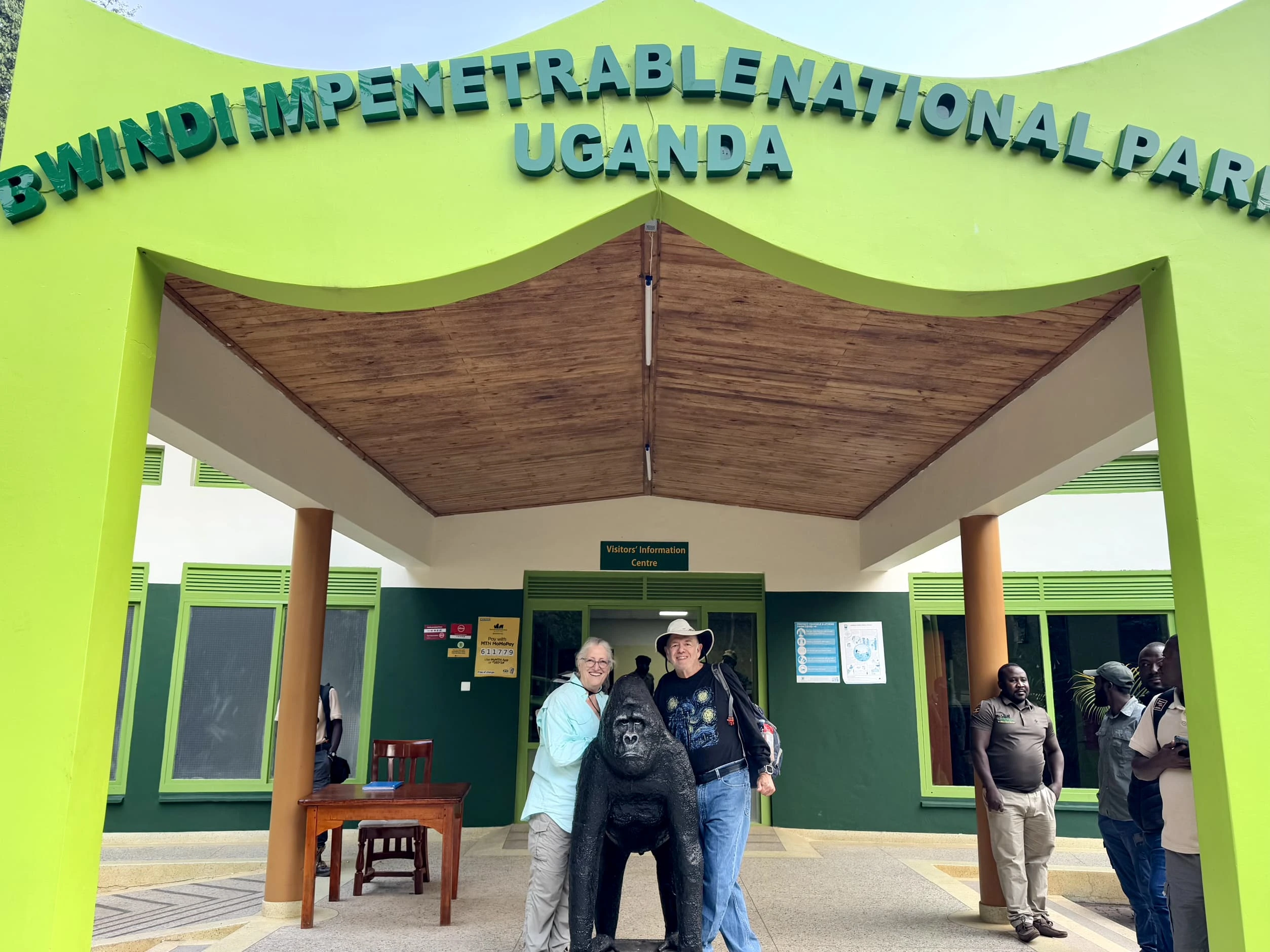
Gorilla trekking is only done in the Virunga conservation area in the whole world. The Virunga conservation area is located in the East African region, stretching from the Virunga National Park through to Volcanoes National Park and then to Bwindi Impenetrable and Mgahinga Gorilla National Parks. Virunga National Park was established in 1925 in the Democratic Republic of Congo. With over 7,768 square kilometers, this park is the biggest among the protected areas in the Virunga conservation area. Volcanoes National Park in Rwanda was also established in 1925, stretching over 160 square kilometers.
The park became popular after it hosted Dian Fossey, a renowned primatologist and conservationist. Uganda’s Bwindi Impenetrable National Park and Mgahinga Gorilla National Park, which also host mountain gorillas, were established in 1992 and 1991, respectively. These two parks combined mark up more than half of the remaining mountain gorilla population in the world. Bwindi Impenetrable National Park has over four gorilla sectors, Buhoma, Rushaga, Nkuringo, and Ruhija. Gorilla trekking in Bwindi Impenetrable National Park takes place among these sectors.
Is March favorable for gorilla trekking?
The mountain gorilla habitats of the Virunga conservation area all receive an equatorial type of climate. This is because of their proximity to the equator, which cuts across East Africa. The tropical or equatorial type of climate is characterized by two wet and dry seasons annually. The first dry season starts from June to September and the second from December to February. The wet seasons, on the other hand, run from March to May and October to November.
Gorilla trekking can be done all year round, depending on the visitor’s timeline. March is not any different from other months, though it receives more rainfall. This is because this month falls under the wet season calendar. The wet season runs from March to May and October to November. Therefore, the month of March marks the beginning of the wet season. Trekking mountain gorillas in March requires extra energy and unique equipment that would be favorable to handle the slippery terrain. Given that mountain gorillas live in highland areas on steep mountain slopes, these areas tend to be extremely slippery because of too much rainfall in March.
Thick vegetation
The trekking trails can be very muddy and slippery, and also the vegetation becomes dense since the rains in March are prolonged. However, all these challenges can be overcome by skilled and experienced rangers and also essential trekking gear. It is also important to note that during the wet seasons, mountain gorillas tend to concentrate in one spot for a long time for warmth since it can be extremely cold. Hence, this allows them to be easily located by the trekkers since they do not usually move. The wet season is also considered a low season with a low turn-up of visitors to the parks. Hence, accommodation facilities also lower their price rates to attract clients. Therefore, gorilla trekking in March is very favorable with good gear and experienced guide rangers.
How to book a gorilla permit in March?
A gorilla permit is a document that allows visitors to trek the mountain gorillas in their natural habitat. Gorilla permits are purchased through a local tour operator who buys the permits from the offices of the governing bodies of the national parks in the countries harboring the gorillas. Booking a gorilla permit ensures a spot to trek on the booked date. After the client has confirmed the date he would want to trek, he pays a booking of 30% of the permit amount. Then, the tour operator sends a scanned copy of the payment to the client. Three months before the trekking date, the client pays the remaining 70%, confirming their coming and for the tour operator to prepare for them.
How much does it cost to trek gorillas in March?
The price of gorilla trekking permits is constant throughout the year in two of the mountain gorilla destinations. The Democratic Republic of Congo charges from period to period such as USD 400 per person during the high dry season and USD 200 during the low season which is the wet season. However, these destinations have different costs for trekking mountain gorillas, but these costs range between nationality and the region of the visitor.
In Rwanda, a gorilla trekking permit in Volcanoes National Park is USD 1,500 for foreign non-residents, USD 500 for foreign residents, and USD 200 for East African citizens and Rwandans. Ugandan gorilla trekking permits cost USD 800 for foreign non-residents, USD 700 for foreign residents, and UGX 300,000 for East African citizens, including Ugandans.
What should you wear during gorilla trekking in March?
It is important to be healthy and physically fit for a favorable gorilla trekking, but also good gorilla trekking gear is very crucial for the success of your trekking experience. Below is the lineup of the essential gorilla trekking gear to consider for your trekking adventure during March.
- Rain jacket
- Hiking boots
- Long-sleeved shirt
- Jungle trousers
- Energy-giving snacks
- Plastic bag to cover your luggage
- First aid box
- Drinking water and a usable bottle
- A camera and extra batteries
- Insect repellent
- Accessories like sunscreen, hat, etc.