The Best Months for Gorilla Trekking in Uganda
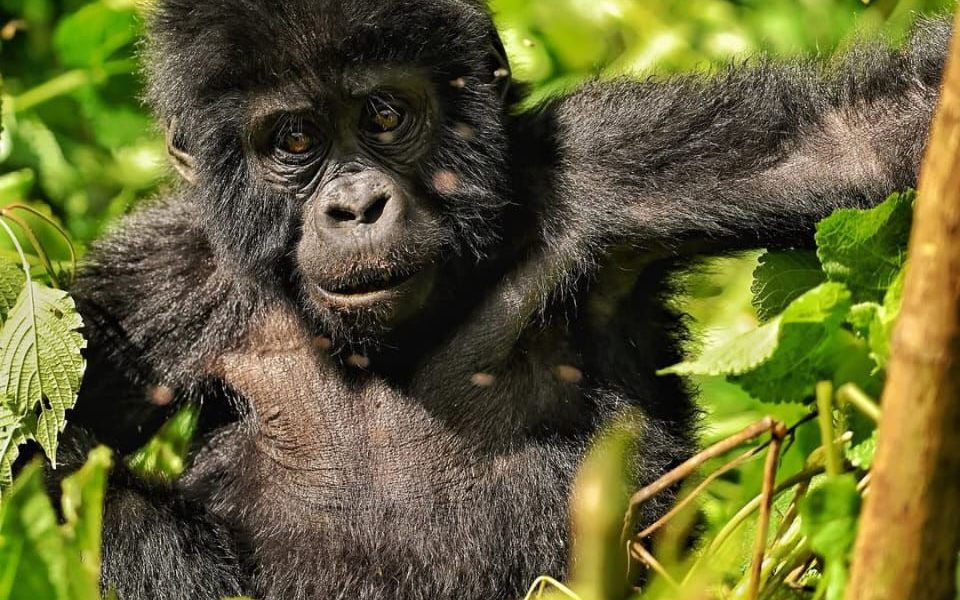
Gorilla trekking in Uganda is often considered a once-in-a-lifetime experience, offering adventurers the opportunity to encounter the magnificent mountain gorillas in their natural habitat. With stunning landscapes and rich biodiversity, Uganda is home to approximately half of the world’s remaining mountain gorillas, primarily located in Bwindi Impenetrable National Park and Mgahinga Gorilla National Park. However, choosing the best time to embark on this unforgettable journey can significantly impact your overall experience. This article explores the factors influencing the ideal months for gorilla trekking in Uganda and provides insights into the various seasons.
What is gorilla trekking?
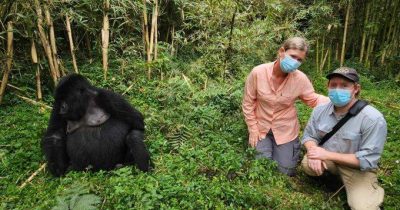
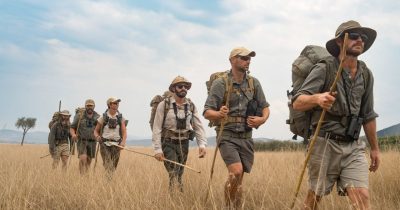
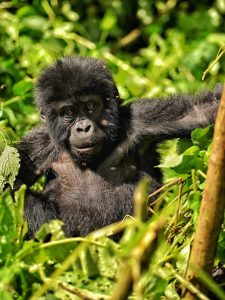
Before delving into the best months for trekking, it’s important to understand what the experience entails. Gorilla trekking typically involves guided hikes through dense, lush forests in search of habituated gorilla families. Visitors are allowed to spend up to one hour observing these incredible animals while a trained guide ensures both the safety of visitors and the welfare of the gorillas.
Key Factors Influencing the Gorilla Trekking Experience
When considering the timing of your trip, several key factors come into play:
Weather Conditions: Weather can significantly influence your trekking experience in Uganda’s mountainous forests. Rainfall can create muddy and slippery trails, while dry weather generally offers more comfortable hiking conditions.
Gorilla Habituation: Mountain gorillas are well-habituated to the presence of humans, but their behavior can vary based on seasonal factors like food availability, which may affect their movement patterns.
Tourism Crowds: Peak seasons for tourism may lead to crowded trails and limited availability of permits, making it essential to plan your travel dates accordingly.
Wildlife Activity: Certain months may have increased wildlife activity or visibility, providing more opportunities for memorable encounters.
The Best Months for Gorilla Trekking
Dry Seasons (June to September and December to February)
The two dry seasons in Uganda are widely regarded as the best time for gorilla trekking.
Less rainfall means more stable trails and reduced mud, making hiking more enjoyable and accessible. Clearer skies and drier conditions increase visibility of the surrounding landscape and wildlife, enhancing your overall trekking experience. June to September coincides with high tourism season, which means that permits sell out quickly. Planning your trip well in advance is essential to secure the dates you desire. Popular trails may be more crowded, leading to a less intimate experience with the gorillas.
Similar to the June to September window, the dry weather during these months makes hiking conditions optimal. The earlier part of the year often showcases lush, green landscapes resulting from the previous rainy season, creating picturesque scenery for photography. The December holiday season can lead to increased tourist traffic, particularly around Christmas and New Year’s, requiring advance planning for accommodation and permits.
Shoulder Seasons (March to May and October to November)
The shoulder seasons present unique opportunities for those willing to be a bit more flexible with their travel plans. Traveling in the rainy season provides a more intimate experience with nature, as fewer tourists venture to the parks during this time. You may find it easier to secure permits and accommodations. The rains rejuvenate the forest, leading to vibrant flora and abundant wildlife activity. This period is excellent for birdwatching and experiencing the natural environment at its most lush.
Trails can be muddy and slippery due to frequent rains, making hikes physically demanding. A good level of fitness is essential. Overcast skies may result in lower visibility overall, which may affect photography. Much like the March to May period, this time also sees a resurgence of vegetation, creating a beautiful setting for trekking. Fewer tourists during these months means a quieter experience and the likelihood of securing permits with less advance notice.
October and November can be unpredictable, with varying rainfall patterns that could affect trekking conditions. Still, rain showers are often short-lived, providing windows of clear weather.
Other Considerations for Gorilla Trekking
Physical Preparation
Regardless of when you choose to trek, physical fitness is vital. The trekking experience often involves steep climbs and varied terrain, typically covering several hours of hiking. Build up your stamina through walking, hiking, and engaging in cardiovascular exercises. Invest in sturdy hiking boots, rain gear, and comfortable clothing suitable for the jungle environment.
Permitting Process
Gorilla trekking permits are limited to manage the conservation of the species and the impact of human presence. As of 2026 the price for gorilla trekking permits is $800 per person. Permits can be booked through the Uganda Wildlife Authority (UWA) or local tour operators. It’s highly recommended to book permits well in advance to avoid disappointment.
Travel Insurance
Given the unpredictability of the weather and the physical nature of the trek, purchasing travel insurance that covers cancellations and medical emergencies is advisable.
Final Thoughts
Choosing the best month for gorilla trekking in Uganda ultimately depends on your personal preferences regarding weather, crowd levels, and wildlife activity. The months of June to September and December to February are the most popular due to favorable hiking conditions and vibrant landscapes. However, if you seek a more tranquil experience with fewer tourists, the shoulder seasons of March to May or October to November may suit you better, despite potential weather challenges.
As you plan your gorilla trekking adventure, remember that each season brings its unique charm and opportunities. Regardless of when you visit, the experience of standing face-to-face with one of the world’s most extraordinary creatures will leave an indelible mark on your soul. Embrace the adventure, immerse yourself in the lush landscape, and contribute to the conservation of these magnificent animals as you embark on an unforgettable journey in Uganda.