
The Pride of Lions in Masai Mara National Reserve
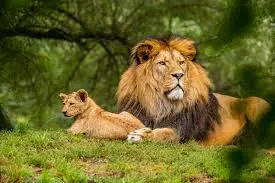
The Pride of Lions in Masai Mara National Reserve is one of the most fascinating subjects for wildlife enthusiasts visiting Kenya. The Masai Mara is famous for its large lion population, with prides living across its open grasslands, riverbanks, and surrounding plains. But how many lion prides are found in the Masai Mara, and what makes each pride unique? There is no fixed number because prides change over time as lions reproduce, establish territories, and compete with rival groups.
Located in southwestern Kenya, the Masai Mara National Reserve covers approximately 1,510 square kilometers and borders Tanzania’s Serengeti National Park to the south. Its rich ecosystem supports lions, leopards, cheetahs, elephants, buffaloes, and many other wildlife species. Lion prides typically consist of related females, their cubs, and one or more adult males. Each pride has its own social structure and territory, though membership and boundaries can shift as lions respond to competition and prey availability.
Learning about the pride of lions in Masai Mara National Reserve adds depth to a safari experience. Instead of simply spotting lions during a game drive, visitors can learn about their family relationships, hunting strategies, territorial behavior, and the challenges they face in the wild. This guide explores the well-known lion prides of the Masai Mara, their characteristics, and what travelers should know when hoping to observe these remarkable predators during a Kenya safari.

Cheli and Peacock pride
This pride separated from the acacia pride, which is its main origin. The pride’s name comes from the camp where they are usually found. The pride includes 16 to 19 members in number. In the past, the pride was small, consisting of the females Lilly, Nuru, and Siti. The lions in the pride include: Maskio, Samir, Shambe, Kibibi, Amber, Ajani, Ayo, and many others.
Marsh pride
This is the most popular pride in the Masai Mara National Park. The marsh pride is usually filmed on the National Geographic Channel and the BBC. This is one of the oldest and largest prides in the reserve. It consists of 30 members. Some members include Kito, Dada, Lola, and Kaleo, the female adults in the pride. The male adults of the Bila Shaka include Koskoke, Kiokand, and Chongo. The rest are still sub-adults. The pride covers an area of Musiara Masha, about 40 square kilometers in total.
Paradise pride
The Paradise pride lives near the Mara River. The pride is also known for hunting vulnerable wildlife. Other predators, such as hyenas and crocodiles, often attack this pride. The pride has about 20 members.
The sausage pride
This group of lions lives in the sausage trees on the banks of the Mara River. The pride consists of 10 members. The pride is led by 3 lions who are brothers. These lions are strong and brave enough to hunt and secure their food. Ol Donyo Paek was a lone male leader and the pride’s protector. This lion fought other lions that outnumbered him and badly injured him near the border of Serengeti National Park. Ol Donyo Paek was found dead in the park after two days due to severe injuries.
The ridge pride
The ridge pride consists of large males with impressive characters. This pride consists of 15 members living in the Olare Orok Conservancy. The Mara Predator Project has monitored the pride, with successful females caring for the young cubs. The pride members include Naengop and Olchore as the leaders of the territory.
The River pride
The River Pride used to live at Moses Rock up to maternity, and the pride is now smaller, residing in the Siria escarpment, which has no access to the tourists. The leaders in this pride are believed to have originated from the Cheli and Peacock pride. Major pride members include Kinoni, Nakato, and Doto.
Enesikiria pride
This is also among the best-known prides in the Masai Mara National Reserve, as seen in the Mara Naboisho Conservancy. The females raised the pride, and it also had impressive, strong males. The pride has been successful for about four generations and has about 30 members.
The Masai Mara National Reserve is famous for its large lion population. These prides are controlled by an organization called the Mara Predator Project. The organization’s main purpose is to conserve lions and other predators in the National reserve. The Kenya Wildlife Service monitors their activities. Some efforts focus on increasing the number of lions in the area, as lions face challenges such as habitat loss, poaching, human conflict, and disease. In the Masai Mara National Reserve, travelers can also see other wildlife during a Kenya safari. This wildlife includes leopards, elephants, buffalo, zebras, hippos, rhinos, giraffes, and more.
What are the major activities in the Masai Mara National Reserve?
Travelers on a Kenya safari can experience the wildlife and other attractions of the Masai Mara National Reserve through different activities.
Game drives
This is the reserve’s primary activity, allowing travelers on their Kenya safaris to encounter wildlife. Travelers take game drives in a 4×4 safari van with a pop-up roof so they can view wildlife. This game drive follows designated park tracks to view wildlife. Wildlife includes lions, leopards, zebras, and more. You can do the game drive in the morning, full day, evening, or at night to view wildlife.
Birding safaris
The national reserve is home to several bird species. This activity is mainly done in the morning to easily view birds still in their habitats. Bird species in the reserve include the African fishing eagle, secretary birds, Bateleur, Usambiro Barbet, and many others. This makes the reserve a birding haven for travelers on their Kenya safari.
Cultural encounters
While on a Kenya safari to the Masai Mara National Reserve, you can stay with communities that live alongside the Masai. The Masai are one of the communities within the park with a true African lifestyle. This nomadic pastoralist community depends mainly on cattle and little cultivation. Travelers can engage in activities in the Masai community, such as cattle rearing, bead making, cultural dance, and more. The Masai Mara National Reserve is one destination where travelers can experience true African wildlife.
Discover the Pride of Lions in Masai Mara National Reserve
The pride of lions in Masai Mara National Reserve offers a fascinating glimpse into the social lives of Africa’s most iconic predators. From lionesses hunting together to cubs learning essential survival skills and dominant males defending their territories, observing a pride reveals much more than a simple wildlife sighting. Although pride sizes and membership change over time, the Masai Mara remains one of Kenya’s outstanding destinations for seeing lions in their natural habitat.
Whether you want to learn about famous lion prides, photograph these magnificent cats, or experience the wider wildlife of the Masai Mara, a well-planned safari can make your visit especially rewarding. Game drives with knowledgeable guides can help you understand lion behavior and increase your chances of seeing them in the wild.
As you plan your Kenya safari, remember that wildlife sightings cannot be guaranteed, and lion prides may move between areas. However, the Masai Mara’s diverse habitats and abundant wildlife make it an excellent destination for wildlife enthusiasts. Discover the pride of lions in Masai Mara National Reserve and experience the remarkable beauty of Kenya’s African wilderness.