
The Small Five
Everything you need to know about the small five: When we think of the “Big Five” animals of Africa (lion, elephant, buffalo, leopard, and rhinoceros), our minds often conjure images of grand safaris and thrilling encounters. However, Africa is also home to a lesser-known group of animals collectively referred to as the “Small Five.” This term, coined by safari guides, includes the elephant shrew, the red-billed buffalo weaver, the leopard tortoise, the ant lion, and the rhinoceros beetle. Though smaller in stature, these creatures are fascinating and play vital roles in their ecosystems. This article will delve into the characteristics, behaviors, and ecological significance of each of the Small Five.
1. The Elephant Shrew
Description and Habitat
The elephant shrew, despite its name, is not a shrew but is more closely related to elephants and manatees. These small, insect-eating mammals are characterized by their long snouts and large ears, resembling tiny elephants. They can be found in various environments, including savannas, forests, and shrublands throughout sub-Saharan Africa.
Behavior and Diet
Elephant shrews are primarily nocturnal, foraging for insects, worms, and other small invertebrates at night. They are known for their incredible speed and agility, which help them evade predators such as birds of prey and small carnivores. Their keen sense of smell plays a crucial role in locating food, and they can consume their body weight in insects each day.
Ecological Importance
As insectivores, elephant shrews play a crucial role in controlling insect populations, thereby contributing to the overall health of their ecosystems. Their burrowing activity also aerates the soil, promoting plant growth. Furthermore, they serve as prey for larger predators, linking them to the broader food web.
2. The Red-Billed Buffalo Weaver
Habitat
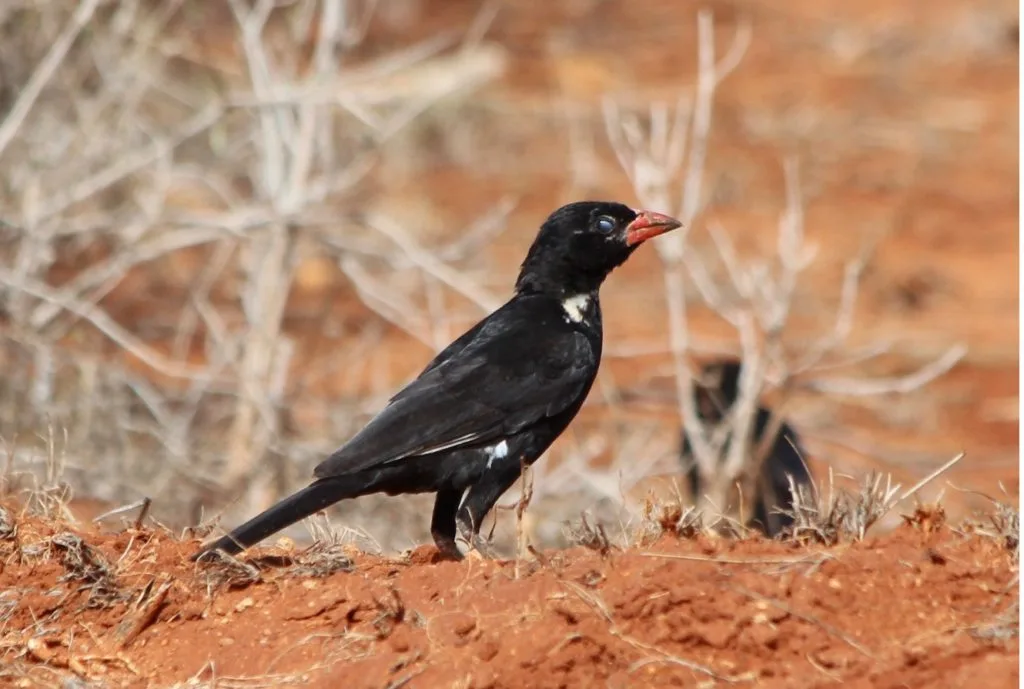
The red-billed buffalo weaver is a striking bird with a distinctive black and white plumage and a vibrant red bill. These social birds are commonly found in the open savannas and grasslands of East and Southern Africa, often in proximity to large herbivores such as buffalo and elephants.
Behavior and Diet
Red-billed buffalo weavers are highly social birds that live in large colonies. They are known for their loud, chattering calls and playful antics. Their diet consists mainly of insects, seeds, and fruits, which they forage from the ground and foliage.
Ecological Importance
These birds have a unique relationship with large herbivores, often following them to scavenge insects disturbed by their movements. By doing so, they help control pest populations. Their nesting habits also benefit other species; various birds and small mammals often use abandoned nests for shelter.
3. The Leopard Tortoise
Habitat
The leopard tortoise is one of the largest tortoise species found in Africa, easily recognizable by its beautiful, patterned shell resembling a leopard’s spots. These tortoises inhabit a range of environments, including savannas, grasslands, and woodlands across sub-Saharan Africa.
Behavior and Diet
Leopard tortoises are herbivores, primarily feeding on grasses, leaves, and fruits. They are known for their slow, deliberate movements and can live for over 50 years in the wild. Unlike many reptiles, these tortoises require access to water for hydration and will often travel considerable distances to find it.
Ecological Importance
Leopard tortoises play a crucial role in their ecosystem by aiding in seed dispersal. As they consume fruits and leaves, they inadvertently transport seeds away from the parent plant, facilitating plant propagation. Their grazing habits also help maintain the balance of vegetation in their habitats.
4. The Ant Lion
Habitat
Ant lions are fascinating insects belonging to the Myrmeleontidae family. The larvae of these insects are known for their unique predatory behavior, which resembles that of miniature, fierce beasts. They inhabit sandy soils in various environments, including deserts and savannas.
Behavior and Diet
Ant lion larvae create conical pits in sandy soil to trap unsuspecting ants and other small insects. When a prey item falls into the pit, the ant lion strikes with lightning speed, using its powerful jaws to capture the victim. This ambush strategy is highly effective, allowing ant lions to thrive in their habitats.
Ecological Importance
Ant lions serve as indicators of soil health and are crucial components of their ecosystems. Their predation helps regulate insect populations, balancing the ecosystem. Moreover, their unique life cycle—from larva to adult—offers insights into the complexities of insect development and adaptation.
5. The Rhinoceros Beetle
Habitat
Rhinoceros beetles are among the largest beetles in the world, named for the horn-like structures on their heads that resemble the horns of a rhinoceros. These beetles can be found in various habitats, including rainforests, grasslands, and savannas across Africa.
Behavior and Diet
Rhinoceros beetles are primarily herbivorous, feeding on decaying plant matter, fruit, and sap. Males are known for their fierce battles over territory and mates, using their horns to push and shove rivals. These beetles are strong fliers, capable of covering considerable distances in search of food and mates.
Ecological Importance
Rhinoceros beetles play a vital role in nutrient cycling and soil health. By breaking down decaying organic material, they contribute to the decomposition process, enriching the soil. Their activities also promote plant growth, creating a healthier ecosystem.
The Small Five offers a fascinating glimpse into the rich tapestry of life in Africa. While these animals may not enjoy the same fame as their larger counterparts, they are integral to their ecosystems and showcase the incredible diversity of wildlife. Understanding and appreciating these smaller creatures can enhance our overall appreciation of biodiversity and the interconnectedness of all species in nature. By promoting conservation efforts focused on both the Small and Big Five, we can ensure that these remarkable animals continue to thrive for generations to come.