
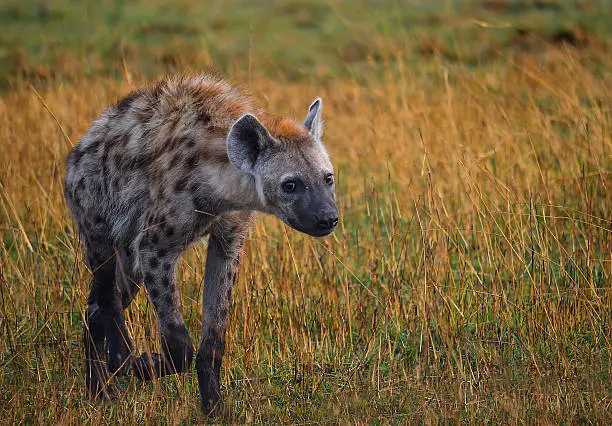
The Ugly Five in East Africa
Do you wish to see the ugly five animals in East Africa? East Africa, known for its breathtaking landscapes and diverse ecosystems, is often celebrated for its iconic wildlife. While many tourists flock to see the renowned “Big Five” (lions, elephants, buffalo, leopards, and rhinoceroses), another intriguing group exists, known as the “Ugly Five.” This term, coined by safari guides and wildlife enthusiasts, refers to five animals that, while not conventionally beautiful, play significant roles in their ecosystems and possess unique characteristics that make them fascinating to observe.
How did the Ugly Five come into existence?
The Ugly Five consists of the hyena, wildebeest, vulture, warthog, and marabou stork. Each of these animals has its own charm and ecological importance, often overshadowed by their more glamorous counterparts. The term “ugly” is subjective and reflects cultural biases towards traditional notions of beauty. However, understanding and appreciating these creatures can enrich the wildlife experience in East Africa.
The Spotted Hyena
The spotted hyena is perhaps the most misunderstood animal on the list. Often portrayed as a scavenger, the hyena is, in fact, an intelligent and social predator. Living in matriarchal clans, female hyenas are larger and more dominant than males. Their social structures are complex, with intricate communication systems based on vocalizations, body language, and scent marking.
Hyenas play a crucial role in their ecosystems by controlling herbivore populations and cleaning up carrion. Their powerful jaws allow them to consume bones, making them vital for nutrient recycling in the environment. In East Africa, hyenas can often be spotted in national parks such as the Serengeti in Tanzania, the Masai Mara in Kenya, and Queen Elizabeth National Park in Uganda. In these areas, hyenas exhibit their unique behaviors and social interactions.
The Wildebeest
Wildebeests may not win any beauty contests due to their awkward appearance and ungainly movements. But these animals are remarkable in their own right. Known for their incredible migratory patterns, wildebeests travel in massive herds across the savannas in search of food and water. This migration is not just a survival strategy. It also plays a vital role in maintaining the health of the grasslands.
In East Africa, the Great Migration, which involves millions of wildebeests, is a sight to behold as they traverse the Serengeti and cross the Mara River. Their presence supports a variety of other wildlife, providing food for predators and contributing to the ecosystem’s overall balance. Observing a herd of wildebeests, especially during calving season, is a captivating experience for any visitor.
The Vulture
Vultures are often seen as symbols of decay, but they are crucial scavengers in the ecosystem. Their primary diet consists of carrion, which helps to prevent the spread of disease. Vultures have highly specialized adaptations, including excellent eyesight and a highly acidic stomach, allowing them to consume rotting flesh without falling ill.
In East Africa, several species of vultures can be spotted, including the African white-backed vulture and the hooded vulture. Unfortunately, these birds are facing severe threats due to habitat loss, poisoning, and hunting. Conservation efforts are critical to ensuring their survival and maintaining ecological balance. Birdwatchers can enjoy observing vultures soaring high above the savannas or congregating around carcasses.
The Warthog
Warthogs may be overlooked due to their bristly fur and distinctive facial warts, but these animals are fascinating and well-adapted to their environment. Warthogs have a unique feeding behavior; they often kneel on their front knees to graze on grass, which is quite a sight for visitors. Their tusks, used for defense and foraging, add to their rugged appearance.
Warthogs play an essential role in their habitats by aerating the soil as they dig for roots and tubers. They are commonly found in savanna regions across East Africa, including the Serengeti, Lake Mburo National Park in Uganda, and Tsavo National Park in Kenya. Observing a warthog family is often a highlight for tourists, especially when they display their playful antics and social interactions.
The Marabou Stork
The marabou stork, renowned for its large size and bare head, is often regarded as one of the most unattractive birds in the world. However, this scavenger plays a vital role in the ecosystem by feeding on waste and carrion. Marabou storks are often seen near human settlements, taking advantage of food scraps and waste.
In East Africa, marabou storks can be found near lakes, wetlands, and garbage dumps, where they often gather in large numbers. Observing these birds, with their long legs and distinctive pouch, provides unique photographic opportunities for wildlife enthusiasts. Their behavior, often perceived as ungraceful, offers a unique kind of beauty that enhances the richness of the wildlife experience.
The Ecological Importance of the Ugly Five
While they may not fit the conventional mold of beauty, the Ugly Five are integral to the health of East Africa’s ecosystems. Each of these animals fulfills a specific ecological role, contributing to the balance of their habitats.
- Hyenas help control prey populations and recycle nutrients.
- Wildebeests maintain grassland health through their grazing habits.
- Vultures prevent disease spread by consuming carrion.
- Warthogs aerate the soil, promoting plant growth.
- Marabou storks clean up waste, reducing environmental pollution.
Conserving these species is vital for maintaining biodiversity and ensuring that ecosystems continue to function effectively. Many of these animals face threats from habitat loss, poaching, and human-wildlife conflict. Education and awareness about their ecological roles can help foster a deeper appreciation for these often-misunderstood creatures.
How about you visit East Africa and see the Ugly Five?
The Ugly Five in East Africa offers a unique perspective on the region’s wildlife. While they may lack the traditional beauty associated with many other animals, they are undeniably fascinating and ecologically significant. By appreciating the Ugly Five, visitors can gain a deeper understanding of East Africa’s diverse ecosystems and the intricate relationships that exist within them. As conservation efforts continue, it is crucial to recognize the value of all species, regardless of their appearance. The Ugly Five serve as a reminder that beauty is not merely skin deep. It is the roles these animals play in their environments that truly define their worth. For those venturing into East Africa’s national parks, taking the time to seek out and appreciate these creatures can lead to a richer and more rewarding wildlife experience. Embrace the unconventional, and discover the beauty in the “Ugly Five.”