
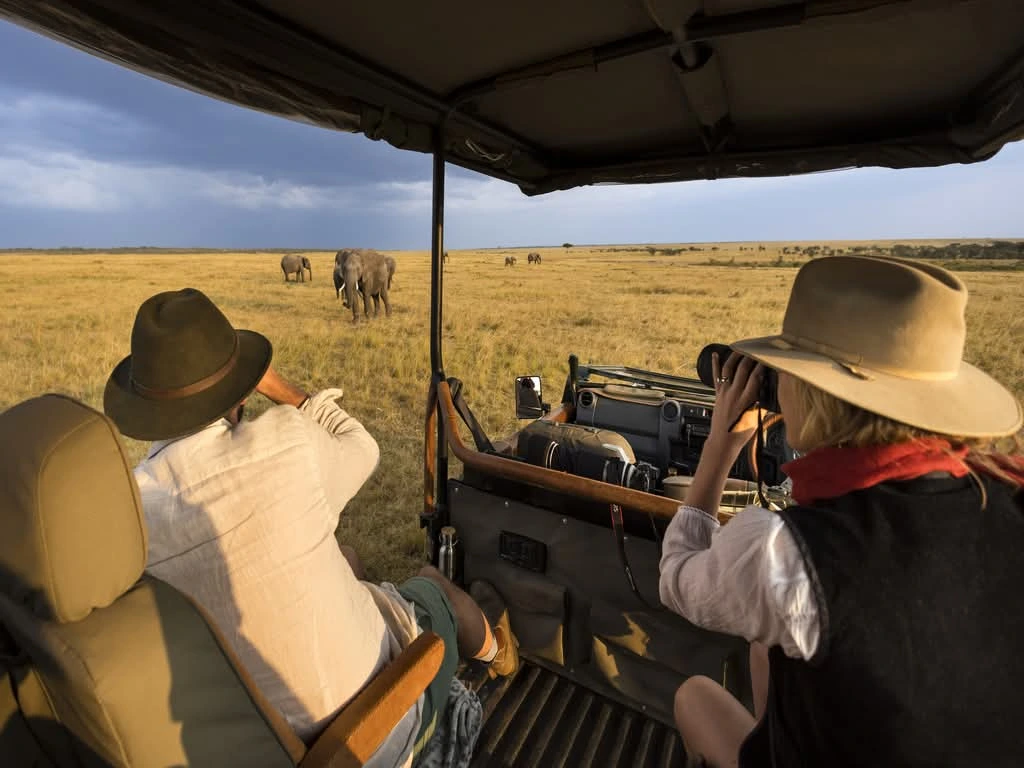
Visiting Kenya in February: Weather, Safaris & Travel Tips
Visiting Kenya in February is one of the best travel choices you can make. February offers ideal conditions for your African adventure, with warm, dry weather and top-notch safari conditions. You can spot the Big Five in the Masai Mara, catch glimpses of elephants at Amboseli, or unwind on unspoiled beaches like Diani and Lamu. Since it’s peak season, plan for unforgettable wildlife encounters and sunny coastal escapes.
February is an exceptional month of the year and is popular for its captivating game viewing experiences. A Kenya safari tour in February presents visitors with a lifetime opportunity to explore the diversity of wildlife as they gather at the waterholes. In February, travelers can explore Kenya’s top destinations with ease. Samburu National Reserve offers unique wildlife, while the Masai Mara is famous for big cat sightings. Lake Nakuru National Park is known for flamingos and rhinos. Amboseli National Park provides breathtaking views of Mount Kilimanjaro. Tsavo East and Tsavo West deliver vast landscapes and diverse game.

The Weather Conditions in Kenya in February
In February, Kenya still experiences the hot, dry season, making it the best time to enjoy Big Five game tours and birding in destinations like the Masai Mara or Laikipia. It marks the start of the warmest period in Kenya, which extends up to March. Temperatures in February in Kenya rise from 9 to 28 degrees Celsius. On average, rainfall recorded ranges from 1.3mm to 133mm. Nairobi and the Central regions experience average temperatures ranging from 15 to 28 degrees Celsius. In the coastal area, especially Mombasa and Malindi, records varying temperatures of 25 to 32 degrees Celsius.
Best National Parks to Explore in Kenya and why
Nairobi National Park
Vibrantly set overlooking the Nairobi Capital City, Nairobi National Park boasts of its unique charm that differentiates it from the rest of the Kenyan Parks. Its proximity to the city even makes it a favorable destination for anyone in the town to embark on a safari to see their favorite wildlife and birds.
Nairobi National Park is home to an incredible range of mammals. Visitors can spot cheetahs, hyenas, leopards, lions, and black rhinos. Other animals include elands, buffalo, giraffes, impalas, waterbucks, gazelles, and hartebeest. The park is also a birdwatcher’s paradise. Key species include Shelley’s francolins, ostriches, Egyptian geese, red-billed ducks, and spur-winged geese. Bird lovers can also look out for yellow-necked francolins, Hildebrandt’s francolins, and several dove species, including Namaqua, laughing, mourning, collared, tambourine, and emerald-spotted doves. You may also encounter white-bellied bustards, go-away birds, coucals, and Hartlaub’s turacos. Raptors are common, with sightings of secretary birds, white-headed vultures, black-winged kites, booted eagles, and long-crested eagles. Other notable species include the Eurasian spoonbill, African sacred ibis, Rüppell’s griffon, and lappet-faced vultures.
Amboseli National Park
Explore Amboseli National Park in Kenya, also popularly referred to as the home of the African elephant. At Amboseli, visitors have a chance to spot the large concentration of elephant herds, making it Kenya’s prime destination. Amboseli is an ideal destination for photographers and wildlife lovers. Lying in the southern end of Kenya, Amboseli is inhabited by a diverse array of wildlife, including hartebeests, zebras, elephants, gazelles, wildebeest, buffalo, rhinos, cheetahs, hyenas, warthogs, baboons, and more.
Masai Mara National Reserve
The Masai Mara is a must-visit destination in Kenya in February. This reserve is among the very few places in the world where you can find abundant wildlife, and its ecosystem exists in a highly protected setting. Set on the elevation of 1500 to 2170m, the Masai Mara occupies 1510 sq. km of land area and features other conservancies. At the Masai Mara, expect to experience something unusual. The reserve offers the Big Five game tours and the opportunity for tourists to witness the world’s spectacle –the Great Migration.
Checklist of wildlife to see in Masai Mara in February includes black rhinos, elephants, lions, cape buffaloes, leopards, cheetahs, gazelles, hyenas, impalas, hippos, crocodiles, and over 470 species of birds. The birds in the Masai Mara consist of ostriches, superb starling, crowned plovers, and Kori bustards, etc.
Tsavo East and West National Parks
Visit two of the Tsavo Conservancy Area and you won’t regret it, especially if your travel desires revolve around the Big Five game. Tsavo East and Tsavo West offer captivating game-viewing experiences for nature lovers. The varied habitats in the two Tsavo Parks offer refuge to different wildlife such as lions, buffalo, rhinos, elephants, cheetahs, giraffes, oryx, and Kudus.
Samburu National Reserve
Samburu is one of the exceptional nature reserves in Kenya and is most popular for its abundant wildlife and breathtaking landscapes. Lying in Northern Kenya, Samburu is most popular for its special five game: Reticulated giraffes, Grevy’s zebras, Beisa Oryx, Gerenuk, and Somali Ostriches. There is also the Ewaso Ng’iro River, on which most wildlife in the reserve depends for water. The Samburu National Reserve is spectacular, with a landscape dominated by acacia woodlands, riverine forests, and open savannas.
Samburu also holds over 350 species of birds, including Fischer’s starling, grey wren-warblers, Ashy cisticola, acacia tit, Donaldson Smith’s sparrow-weaver, black-bellied sunbird, hunter’s sunbirds, African palm swift, pink-breasted lark, secretary birds, palm-nut vultures, Northern brownbul, Somali bee-eaters, red-bellied parrot, and more.
Lake Nakuru National Park
Lake Nakuru should be a must-visit destination in Kenya. The 188 sq. km Protected Area is home to 1000s of flamingos and is also a UNESCO World Heritage Site. At Lake Nakuru National Park, expect to find large concentrations of wildlife, including impalas, black and white rhinos, giraffes, leopards, and lions. The key habitats that comprise Lake Nakuru National Park include rocky outcrops, acacia woodlands, and Lake Nakuru itself. This park offers excellent birding tours and Big game safaris.
Additional places to visit in Kenya in February include Chyulu National Park, Central Island National Park, Kakamega Forest National Reserve, and Hell’s Gate National Park.
If your interest is in mountaineering, consider embarking on a tour in Mount Kenya National Park, Mount Elgon National Park, Kenya, Laikipia, and other destinations.
The coastal experiences, especially beach holidays, are excellently enjoyed on the scenic beaches around Mombasa. The popular beaches for relaxation include Nyali Beach, Diani Beach, Bamburi Beach, Watamu Beach, and Tiwi Beach. Most of these beaches not only offer a vibrant sand beach experience but also thrilling water sports, including scuba diving, snorkeling, and more.
What should you expect to do in Kenya in February?
Kenya has a long list of amazing safari activities for tourists to participate in. They include guided game drives, windsurfing, hot air balloon excursions, horseback riding, diving, walking safaris, and bird-watching.
Don’t forget to embark on mountain climbing, city tours, and cultural safaris. Cultural tours in Kenya are enjoyable in the Maasai Village, the Samburu community, and others. Guided cultural experiences offer tourists a chance to explore Kenya’s unique traditions and cultures.
The events available in February include the East African community Arts festival, often conducted in the Kenyatta International Convention Centre from late February to early March. The Nairobi Restaurant Week is an opportunity to experience a blend of local and international cuisines.
What to wear on a Safari in February
Different safari experiences may require you to pack certain items. But any successful Kenya tour in February should be planned appropriately, considering packing the right gear. They include long-sleeved shirts, a safari hat, long trousers, sunglasses, waterproof walking boots, a pair of binoculars, a power bank, a headlamp, and adequate bottled drinking water.
Where to stay
On a Kenya safari in February, you don’t need to worry about accommodation options. The various parks and reserves feature comfortable accommodation choices, including Basecamp Wilderness, Little Governor’s Camp, Richard’s River Camp, Saruni Mara, Porini Lion Camp, and Sand River Masai Mara.
At Amboseli National Park, the lodges and camps present include Amboseli Sopa Lodge, Elerai Camp, Elewana Tortilis Camp, AA lodge Amboseli, Amboseli Serena Safari Lodge, Ol Tukai Lodge Amboseli, Kibo Safari Camp, and Sentrim Amboseli Lodge.
Lake Nakuru National Park features comfortable safari lodges such as Sarova Lion Hill Game Lodge, Lake Nakuru Lodge, The Cliff Nakuru, Kika Lodge, Chui Lodge, Lake Nakuru Sopa Lodge, and others.
In Nairobi, expect to stay at Epitome Times Hotel, Sheraton Regency Hotel, Radisson Blu Hotel, Hyatt Place Nairobi Westlands, Kwetu Nairobi, Pax Manor Muthaiga, or Nairobi Serena Hotel.
February is one of the best times to visit Kenya, with its sunny skies, top-notch wildlife viewing, and stunning beach escapes. Whether you’re on a lion track in the Masai Mara, spotting elephants in the shadow of Mount Kilimanjaro, or relaxing by the turquoise Indian Ocean, February is when Kenya really comes alive. Plan, book early, and get ready for an adventure that combines safari magic with coastal relaxation.