
Kenya in July: Best Time for Safaris and the Great Migration
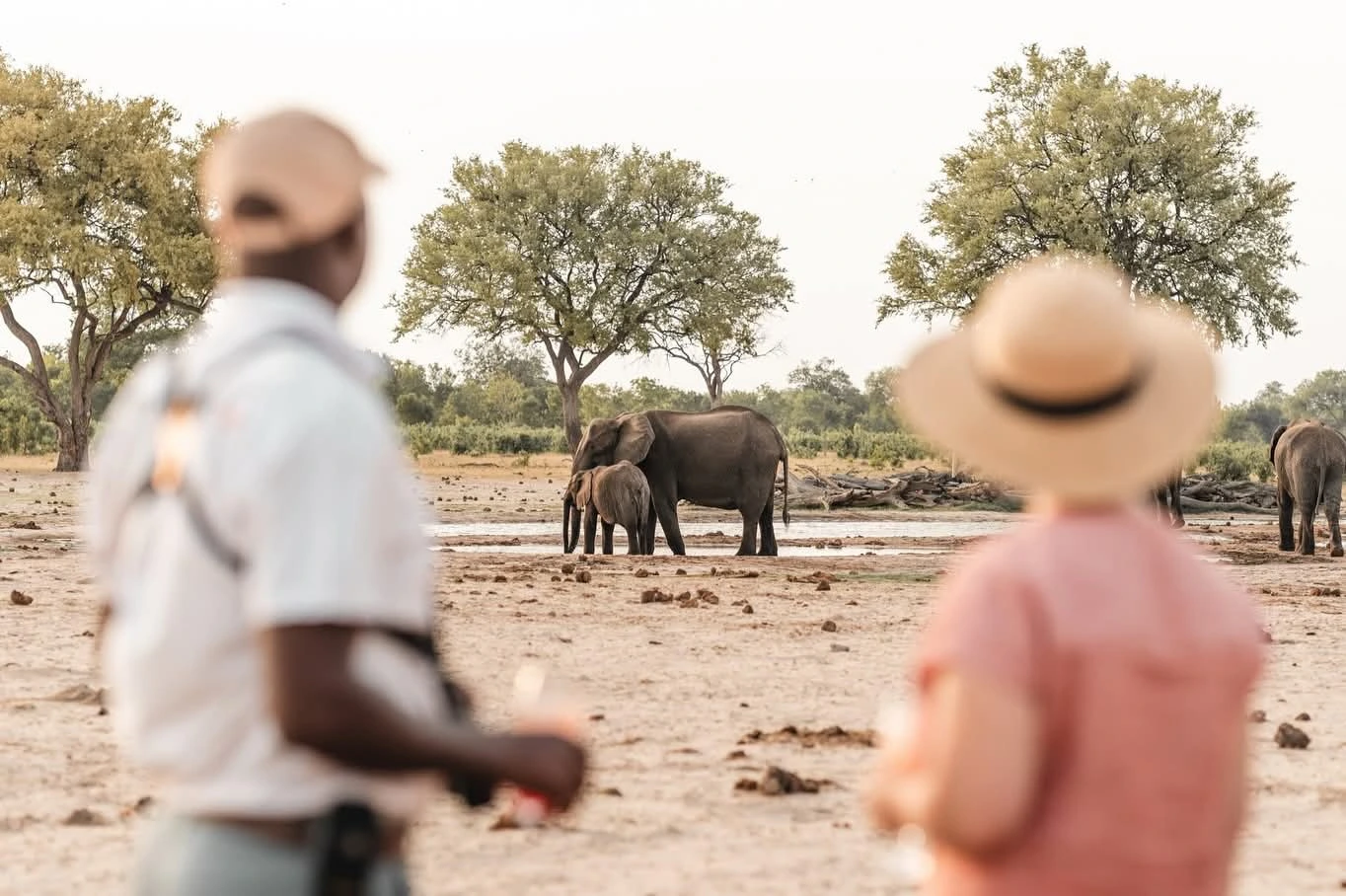
July is an exceptional month of the year to visit Kenya to witness the Great Migration in the Masai Mara and the Big Five game. Kenya officially enters the peak dry season in July, the month when most destinations are sunny and cool. The weather conditions tend to be favorable for outdoor adventures, including bush walking safaris, game drives, the Great Migration experience, mountaineering, and more.
July offers an optimal opportunity for tourists to explore Kenya and its captivating landscapes. The weather conditions are ideal for most safaris, with temperatures varying from 11 to 23 degrees Celsius in Nairobi, and along the coast, average temperatures range from 20 to 29 degrees Celsius. Being the peak dry season, vast herds of wildlife congregate around the few water sources, making it the best time for game viewing.
Little rain is received in July, with approximately 20 mm falling in a month. Dry and sunny weather conditions characterize the minimal precipitation. The general weather conditions are favorable for visitors interested in wildlife viewing.
Variation in Weather Conditions per Region
The Northern region – July is when Northern Kenya experiences warm daytime temperatures varying from 25 to 30 degrees Celsius. At night, it can be cool with temperatures ranging from 15 to 20 degrees Celsius. The climatic conditions generally favor most outdoor experiences in Northern Kenya.
The Central Kenya –This region records mild to cool temperatures in July due to the high altitude. Temperatures vary during the day from 15 to 20 degrees Celsius, and at night, they drop to 5-10 degrees Celsius. If you are visiting Central Kenya for wildlife tours, don’t forget to pack warm clothing.
Coastal Kenya – If you are interested in coastal experiences, Kenya still has you covered. The temperatures during the day vary from 25 to 30 degrees Celsius, and at night, temperatures become milder, dropping below 20 degrees Celsius. Coastal regions also experience higher humidity levels in July, unlike most inland areas, thus contributing to the general warm feel throughout the day and night. Visiting Kenya in July to explore the coastal region presents unique opportunities for enthusiastic swimmers, as well as those interested in engaging in scuba diving and snorkeling in the warm waters of the scenic Indian Ocean.
Is July a Good Time to Explore Kenya?
Yes, July is a good time to visit Kenya, especially if you are a nature or wildlife lover. The dry weather conditions in July favor most safari adventures and offer excellent game-viewing expeditions. The picturesque rift valleys, such as Lake Elementaita, Baringo, and Naivasha, offer exceptional birding tours and boat excursions.
July is also an ideal time to fall in love with dolphin watching experiences. Visit Watamu Marine National Park to enjoy a close view of dolphins. You can also embark on a snorkel in the nearby coral reef.
Visit Samburu National Reserve to explore its abundant wildlife, including the special five game: Grevy’s zebras, reticulated giraffes, Somali Ostriches, and more.
Where to visit in Kenya in July
Masai Mara National Reserve
The Masai Mara is undoubtedly Kenya’s leading destination and is a must-visit in July. The reserve lies in Narok County in Kenya and occupies a vast area of 1510 sq. km. At an altitude of 1,500 to 2,170 m, the Masai Mara National Reserve is an iconic destination in Kenya, boasting a record of over 95 mammal species and 470 bird species.
The Masai Mara is popular for the wildebeest migration, and July marks the peak season for witnessing this powerful wildlife occurrence. The Mara River is a special spot for tourists to appreciate the world’s spectacle. This river is also infested with giant, lurking crocodiles, often spotted attacking wildebeests as they cross to the mainland.
The Maasai Mara National Reserve lies near the Serengeti National Park and is most popular not only for wildebeests but also for other wildlife. The additional wildlife to encounter on the Kenya tour in Maasai Mara includes rhinos, elephants, lions, buffaloes, leopards, common elands, bat-eared foxes, bushbucks, copper-tailed monkeys, hartebeests, and others.
Birds to see include marabou storks, Abdim’s storks, southern ground hornbills, Kori bustards, bateleur, African black ducks, Egyptian goose, blue-billed teal, southern pochard, Northern shovelers, spur-winged goose, coqui francolins, crested francolin, Maccoa ducks, African rail, black crake, lesser moorhen, African fin-foot, gray crowned cranes, Caspian plovers, blacksmith lapwings, little ringed plovers, black-bellied plovers, wattled lapwing, and African jacanas.
Amboseli National Park
Amboseli is most popular for its huge concentrations of African elephants. This Park is lying in the Southern part of Kenya overlooking the spectacular, legendary Kilimanjaro Volcano. It is a rich wildlife destination with expected sightings ranging from zebras, elephants, wildebeest, buffaloes, gazelles, hartebeest, and many others.
Amboseli covers a compact area but holds diverse bird species. The checklist of birds to identify here includes blue-billed teal, fulvous whistling ducks, white-faced whistling ducks, Garganey, spur-winged goose, knob-billed ducks, Maccoa duck, cape teal, African black ducks, Northern shovelers, harlequin quail, Shelley’s francolins, Coqui francolins, crested francolin, red-necked spurfowl, Elgon francolins, tambourine dove, African green-pigeon, ring-necked dove, European turtle dove, speckled pigeon, purple-crested turacos, black-bellied bustards, and more.
Tsavo East & West
July is a special month to explore incredible destinations in Kenya, including Tsavo East and West National Parks. A variety of wildlife live in the two Protected Areas, including leopards, elephants, zebras, African wild dogs, lions, buffaloes, warthogs, gerenuks, hyraxes, lesser kudus, and others.
Birds that reside in the Tsavo National Parks include mourning collared-dove, laughing doves, rock pigeon, speckled pigeon, superb starling, lilac-breasted rollers, red-billed buffalo-weaver, Egyptian vultures, European bee-eaters, collared sand martin, white-browed sparrow-weaver, Shelley’s francolins, eastern crested guineafowl, Southern pochard, knob-billed ducks, and more.
Lake Nakuru National Park
Lake Nakuru National Park is an ideal destination to explore in July on a Kenya tour. The Park isn’t only popular for flamingos, but also for a variety of other wildlife present. They include buffaloes, zebras, giraffes, leopards, lions, hippos, vervet monkeys, and colobus monkeys. The picturesque Lake Nakuru National Park offers refuge to a variety of birds, including flamingos, pelicans, the common long-crested eagle, Northern shovelers, Egyptian geese, tufted ducks, guineafowl, European rollers, white-headed vultures, cuckoos, African palm-swifts, nightjars, ruddy turnstones, and many others.
What to do in Kenya in July?
Experience the Great Migration
The powerful wildebeest migration is best witnessed in July. It is the ideal month to observe millions of wildebeest as they cross to the Maasai Mara from the Serengeti National Park. The most significant of all is the Mara River crossing –this marks the unique highlight of the Great Migration tour in the Masai Mara National Reserve in Kenya.
Big Five Game Tours
Kenya offers unmatched game drives, an excellent opportunity for you to locate the Big Five game species. A game drive in Kenya allows you to search for a variety of wildlife, including Cape buffalo, elephants, leopards, lions, cheetahs, giraffes, zebras, antelopes, and numerous bird species. The leading destinations to visit for the Big 5 and other wildlife include Amboseli National Park, Lake Nakuru National Park, Masai Mara National Reserve, Tsavo National Parks, and Mount Kenya National Park.
Festivals
Around July, you can witness some of the powerful festivals and annual events in Kenya. It is during the yearly festivals that you can experience the unique cultures, heritage, and traditions. They include the Machakos festival, Safaricom International Jazz Festival, and Safaricom Lewa marathon.
In conclusion;
Kenya should be your must-visit destination for great Big 5 and wildebeest migration experiences. To witness Kenya’s wonders, July is such a special month of the year to consider planning and embarking on your vacation to East Africa’s finest destination. Being a peak tourist season, we advise that you secure your accommodation in advance before the actual date of traveling to Kenya.