
Visiting Masai Mara in January
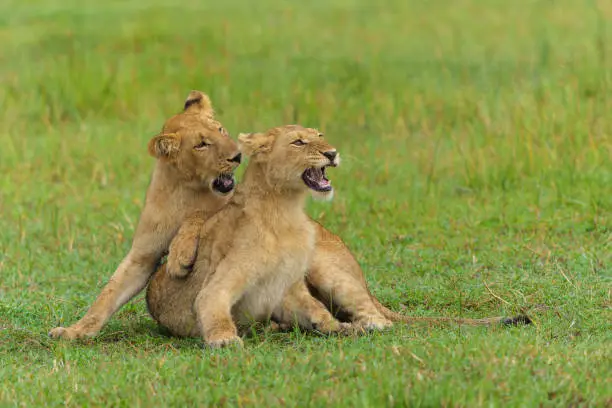
January is an exceptional time to explore the Masai Mara, one of Africa’s most iconic wildlife destinations. Located in southwestern Kenya, the reserve transforms into a lush, green paradise during this month. Thanks to the recent short rains. With fewer tourists, excellent wildlife sightings, and dramatic skies ideal for photography, January offers a more intimate safari experience. Although the Great Migration is not in full swing, the resident wildlife like lions, elephants, cheetahs, and leopards remain active and abundant. Birdwatchers will also enjoy spotting numerous migratory birds that arrive during this time. For travelers seeking serenity, affordable rates, and exceptional game viewing in a breathtaking landscape, January in the Masai Mara is a truly rewarding choice.
Enjoy the warm weather
January is one of the warmest months of the year and is characterized by favorable weather conditions for visitors interested in exploring the Masai Mara National Reserve. Visiting Masai Mara in January presents you with multiple opportunities to start your journey to unearth this nature reserve’s diverse attractions. In January, visitors can embark on a complete immersion in the Masai Mara wilderness.
January is characterized by low or no rainfall, making it a favorite month for game drives or game viewing, birding/bird-watching, and if you want to witness the calving or birthing season.
Masai Mara records a low rainfall amount in January compared to December. Even if it rains, it can be a short shower in the afternoon, meaning visitors can continue exploring the wonders in this nature reserve. On average, daytime temperatures in January rise to 28 degrees Celsius. At night, temperatures drop to about 12 degrees Celsius. The precipitation levels are low in January. And there are dry or sunny weather conditions. Minimal rainfall is recorded, about 30mm throughout the month.
Things to do when you visit Masai Mara in January
Guided Game Drives in January
January offers ideal weather conditions for game drives in the Maasai Mara National Reserve. Visitors can opt for the morning and afternoon game drive sessions. Each guarantees you exceptional wildlife sightings. Top wildlife to see during a game drive in Masai Mara in January includes the Big Five (elephants, buffalo, lion, rhino, and leopard). More wildlife to encounter on a tour in Masai Mara includes bushbucks, crested porcupines, bat-eared foxes, cheetahs, giraffes, zebras, jackals, aardvarks, and others.
Birding Tours
Masai Mara National Reserve is best visited for birding in January. In January, birders get a chance to explore the diversity of birds, including the resident and migratory species. The notable birds to identify on a birding tour in Masai Mara include the African fish eagles, Kori bustards, and African spoonbill. Giant kingfishers, Aberdare cisticola, Clarke’s weavers, rufous-bellied heron. Yellow-billed duck, red-necked spurfowl, Eastern crested Guineafowl, Southern pochard, blue-billed teal. Hildebrandt’s spurfowl, Namaqua dove, ring-necked dove, lemon dove, and yellow-throated sandgrouse. African green pigeon, dusky turtle dove, red-chested cuckoos. Bare-faced go-away birds, African cuckoos, green malkoha, blue-headed coucals. Ross’ turacos, Hartlaub’s turacos, Sombre nightjars, Eurasian nightjars, pied cuckoos, African swift, montane nightjar, black crake, African rail, little swift, Allen’s gallinule, buff-spotted flufftail, and more.
Wildebeest Calving/Birthing
The wildebeest calving season in Masai Mara occurs from January to March. January ushers in the peak calving season, which occurs in February. During the calving season, about 8000 wildebeest calves are born each day. Witnessing the wildebeest as they give birth is such an interesting event that any nature lover would desire to be part of.
Walking safaris
January is the perfect month of the year when you experience the best of guided walking excursions. Nature walks in Masai Mara are done on foot, and visitors are accompanied by an experienced guide. You embark on exploration through the varying habitats/trails, where you stand a chance to encounter diverse wildlife and birds. Walking safaris offer a deep connection between visitors and nature.
Explore the Mara River
The Mara River plays a significant role in the Serengeti-Mara ecosystem. The Mara River isn’t only popular for the Great Migration but also an ideal spot to witness other aquatic species. During the Great Migration, the Mara River serves as the best location to experience the dramatic movement across the river. The wildebeest cross from the Serengeti to Maasai Mara through the Mara, facing treacherous waters and hungry crocodiles.
Huge concentrations of predators can be spotted during the Great Migration. They include leopards, lions, and crocodiles. Besides the mesmerizing Migration experience, the Mara River is a perfect spot to observe hippos, Nile crocodiles, and hundreds of bird species.
Locals also have a cultural touchstone with the Mara River, offering a deep connection to the river and its resources.
Hot Air balloon excursion
Soaring above the vast plains of Masai Mara at sunrise or sunset provides a distinct perspective of the reserve’s breathtaking landscape and wildlife. January is a significant month of the year when you can experience the unmatched hot air balloon adventure.
Cultural tours
The Masai cultural tour presents visitors with a chance to learn more about the Maasai people and their unusual traditions. The Maasai people are semi-nomadic, and a cultural tour allows you to enjoy authentic experiences. Besides observing cultures and traditions, you can also expect to enjoy the great dances and musical performances.
Top Accommodation to Stay
Mahali Mzuri
Set at the border of the Masai Mara, Mahali Mzuri is a luxury lodging option. It offers exclusive accommodation options with comfortable tented suites. About 12 stylish tented suites are available in a suitable area where guests can appreciate the breathtaking views of the rift valley area and the rolling plains. The rooms/tents are luxurious and fitted with different amenities including en-suite bathrooms, kingfishers, private decks, and a fan etc.
Angama Mara
Located along the edge of the Great Rift Valley, Angama Mara lies strategically overlooking the scenic Masai Mara. The luxurious Angama Mara has over 15 tented suites with amenities and facilities including polished parquet floors, en-suite bathrooms, bathtubs, private decks, and more. The available services to expect include fitness and wellness, swimming, a safari shop, and dining.
Mara Serena Safari Lodge
Lying in the heart of Masai Mara, the Mara Serena Lodge offers unmatched luxury lodging accommodation options. Up to 74 rooms exist here with diverse amenities including a restaurant, suites, spa and gym, conference facilities, bar, and lounge.
AndBeyond Bateleur Camp
Set at the base of the Oloololo Escarpment is a comfortable AndBeyond Camp with 18 luxurious tents. There are multiple amenities including bathtubs, stone showers, en-suite bathrooms, dining, swimming pool, safari shop, and more.
Elephant Pepper Camp
This is set in the Mara North Conservancy and is generally an eco-friendly accommodation facility. This camp is comprised of 8 luxurious tents and is perfect for guests interested in honeymoon tours or family trips.
Sanctuary Olonana
This comfortable safari lodge is set on a private stretch of the scenic Mara River. The luxurious Sanctuary Olonana features 14 suites, an infinity pool, a spa, and bathrooms.
Fairmont Mara Safari Club –This is located at the edge of the stunning Mara River and can easily be accessed in the Ol-Choro Oiroua Conservancy. The luxurious Fairmont Mara Safari Club is composed of 51 tents with a wide range of amenities including a private deck, 4-poster beds, dining area, en suite bathrooms, lounge, swimming pool, library, and gift shops etc.
What to pack when visiting the Masai Mara in January
Try as much as you can to pack the right items. The essentials to include on your packing list for Maasai Mara National Reserve are long-sleeved shirts, comfortable long trousers, Cargo pants, fleece-lined shirts, a camera, a pair of socks, extra batteries, and many others.
Getting to Masai Mara to Explore Wildlife
Masai Mara National Reserve is found in Southwestern Kenya and can be reached by road or air. A road trip to Masai Mara takes about 6-7 hours starting from Nairobi. By air, you can take a flight to any of the available airstrips, including Mara North, Ngerende, Ol Kiombo, Keekorok, Musiara, and Mara Serena Airstrips.
Ready to experience the magic of Masai Mara in January?
Masai Mara in January is a well-kept secret; a time when nature is vibrant, wildlife is thriving, and the crowds are blissfully fewer. Whether you’re a seasoned safari-goer or a first-time visitor, this is the perfect month to experience the raw beauty and tranquility of Kenya’s most iconic reserve. From spectacular game drives to peaceful evenings under the African sky, every moment promises something unforgettable. Book your safari adventure now and embrace the wild like never before!