
Visiting Masai Mara in March
Is March a good time to visit Masai Mara? March, like other months, is open for tourists to explore the Masai Mara National Reserve. Visiting Masai Mara in March for a safari presents nature lovers with the opportunity to be part of enriching wilderness experiences from one of Africa’s finest protected areas. March is a month characterized by a quiet atmosphere. The Mara Reserve receives fewer visitors around March. This is perfect for tourists who desire intimate game-viewing excursions.
Wildlife to see in Masai Mara in March
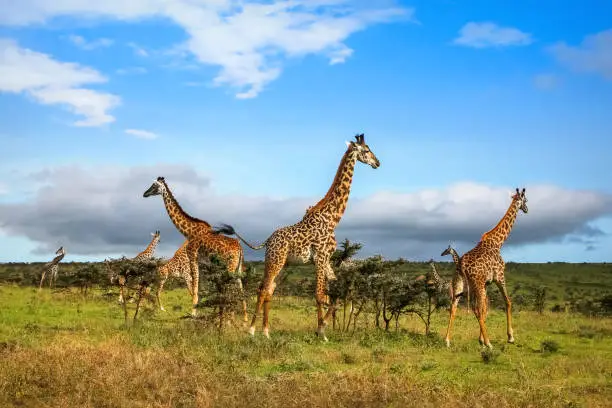
Masai Mara holds a significant amount of wildlife. In March, several of the Masai Mara wildlife give birth. You can observe most of the calves and their mothers. Among the different wildlife species to explore in March are warthogs, elephants, giraffes, zebras, hyenas, leopards, lions, elands, waterbucks, buffaloes, cheetahs, topis, and more.
Birds to encounter
You can spot a huge concentration of birds on a tour of the Masai Mara. They include purple grenadiers, grey-crested helmet-shrikes, and cinnamon-breasted bunting. African finfoot, Abdim’s stork, rufous-throated wryneck, secretary bird, Jackson’s widowbird, silver bird, lazy cisticola. Grey penduline tit, Denham’s bustards, African wood owl, saddle-billed storks, Ross’ turacos, ostriches, rufous-bellied heron, white-bellied go-away birds, yellow-mantled widowbird, Swahili sparrow, and many others.
Weather in Masai Mara in March
The Masai Mara experiences high temperatures and moderate rainfall in March. During the day, the temperature can rise to 30 degrees Celsius. They drop to about 17 degrees Celsius at night. The amazing part is that the reserve maintains its natural charm. On average, the Masai Mara receives about 95mm of rainfall in March. The warm weather is ideal for visitor exploration in the Masai Mara National Reserve.
Where is the Masai Mara located?
Masai Mara is a spectacular reserve and is in southwestern Kenya. Kenya declared the Masai Mara National Reserve a national reserve in 1974. Today, the scenic Masai Mara covers a land area of 1510 sq. km.
The Masai Mara makes up a large nature reserve. The reserve’s sections also include the Musiara, Mara Triangle, and Sekenani. The Masai Mara’s remote region, the Mara Triangle, is on the reserve’s western side. People know the Mara Triangle for its breathtaking scenery and huge profusion of wildlife.
Along the Mara Triangle, expect to find wildlife such as cheetahs, lions, and several other species. It is also most popular for its spectacular scenery characterized by scenic riverine forests and volcanic hills.
Musiara is in the northern part and also encompasses the Musiara Marsh. The Musiara is an essential water source and an ideal location to find many lions. Many big safari lodges and camps concentrate in Sekenani, in the eastern section.
Things to do in Masai Mara in March
Game drives
Game drives in the Masai Mara take you on a deep exploration of the Big 5 game and other wildlife. The checklist of wildlife to see includes zebras, hyenas, leopards, lions, elands, Cape buffaloes, giraffes, gazelles, rhinos, oribis, cheetahs, elephants, and many others. A visitor can enjoy a morning or afternoon game drive. If you are interested in nocturnal species, consider a late-evening game drive. Experts conduct game drives excellently in Masai Mara using a 4×4 safari vehicle.
Bird-watching
Up to 470 species of birds are distributed in Masai Mara and include resident and endemic species. During a bird-watching expedition, you stand a chance to find birds such as cinnamon-breasted bunting, Kori bustards, rufous-billed herons, rosy-throated long shrikes, long-tailed cormorants, ostriches, African wood owl, tabora cisticola, Abdim’s storks, Swahili sparrow, secretary bird, woolly-necked stork, and Jackson’s widowbird. A birding tour in Masai Mara also involves spotting bird species like Usambiro barbet, martial eagles, red-throated tits, sacred ibis, giant kingfishers, cattle egrets, and others.
Calving season
March marks the end of the birthing or calving season for most of the wildlife in Masai Mara, including the wildebeest and other mammals. Around March, observers can see huge concentrations of calves. Witnessing a birthing event leaves lasting memories.
Horseback riding
Guided horseback rides involve physical participation by nature enthusiasts. Visitors traverse the plains of the Mara on the back of a horse. This recreational excursion brings you close to nature and encounter an array of wildlife.
Hot-air balloon
Balloon tours offer a captivating aerial game-viewing excursion. It provides an amazing alternative for exploring the wonders of the Masai Mara. Instead of embarking on a game drive, you can opt for the sunrise or sunset hot-air balloon excursions.
Cultural Experience
Have time to meet the residents of their community. Next to the Mara Reserve are the Maasai people, known for their unique culture and traditions as nomadic pastoralists.
Packing for a safari in Masai Mara in March
Visiting the Maasai Mara National Reserve for a vacation requires visitors to pack the right gear. The checklist of items to carry for the Masai Mara tour includes a good camera, a headlamp, a safari hat, a waterproof jacket, warm layers, a first aid kit, a power bank, relevant travel documents, sunscreen, bottled drinking water, and a sweater.
Top Safari Lodges and Camps
Choose the right place for an overnight stay while in Masai Mara. The accommodation choices include budget, midrange, and luxury. They include Sanctuary Olonana, Mara Serena Safari Lodge, Mahali Mzuri, Cottar’s 1920s Camp, AndBeyond Bateleur Camp, Governors Camp, Fairmont Mara Safari Club, Angama Mara, and Elephant Pepper Camp.
The mid-range lodges include Fig Tree Camp, AA Lodge Masai Mara, Basecamp Wilderness, Mara Expedition Camp, Mara Kempinski, and others. The different budget locations to consider for overnight stays include Osim Country Lodge, Rhino Tourist Camp, Talek Bush Camp, Maji Moti Eco Camp, Fisi Camp, Greenwood Safari Camp, and many others.
How to reach the Masai Mara Reserve for a Kenya Tour
By road: Depart from Nairobi to Masai Mara, which is 270 km away, translating to about a 5-to 6 – hour drive. The length of your journey varies depending on your traffic and the road conditions/current state. You can hire a 4×4 safari vehicle to get to Maasai Mara by road through the local expert.
Travelers consider the Sekenani gate the most convenient entry gate to the reserve because it is on the outskirts of Sekenani town.
By air: Through a reliable tour operator like Native Africa Tours, you can book a flight to Masai Mara. Departure can be from Nairobi to the airstrips in or around the Masai Mara National Reserve. When you take a flight, the main airstrips to land in include Kichwa Tembo, Musiara Airstrip, Ol Kiombo Airstrip, Ngerende Airstrip, Serena Airstrip, Mara North Conservancy Airstrip, Sian Airstrip, and more.
Masai Mara Entry Fees
Currently, an adult traveling to Masai Mara under the category of foreign non-residents can pay USD 200 per day. Children between 9 and 17 years old pay USD 50 per day, and children below 8 years old enter for free. Kenyan citizens pay KES 2500 daily, and children between 9 and 17 pay KES 500 daily.
East African residents pay USD KES 5000 per day, and authorities charge children between 9 and 17 years KES 2,000 per day. Note, these park entry fees are effective from July to 31 December 2025.
Ready to visit Masai Mara in March?
Visiting the Maasai Mara in March offers a unique and often overlooked perspective of this iconic African wilderness. As the rains stir the landscape back to vibrant life, the savannah transforms into a lush expanse teeming with wildlife. With fewer tourists and a sense of serenity in the air, March is the perfect time for travelers seeking a more intimate, authentic connection with nature. Whether it’s watching predators on the prowl, witnessing newborn animals take their first steps, or simply soaking in the vast, untamed beauty of the Mara, March promises a safari experience that is both peaceful and profoundly memorable.