
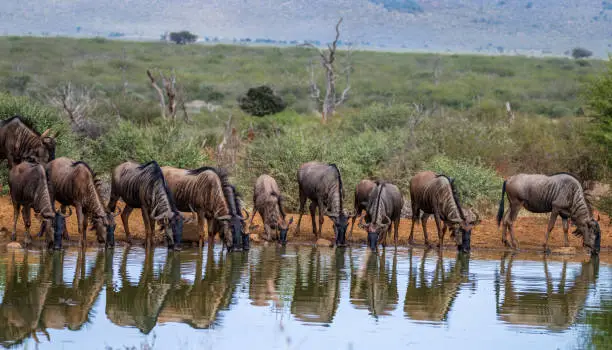
Visiting Masai Mara in May
Is Masai Mara good to visit in May? Safaris to Masai Mara National Reserve can be done any time of the year, even in the month of May. While May is a rainy month of the year, it receives slightly less rain than April. May often marks the end of the rainy or wet season on the Kenyan travel calendar. It is surprisingly one of the interesting months of the year for budget travelers and nature lovers with plans to spend their next vacation in the plains of Masai Mara National Reserve.
Being part of the long rainy season, some visitors tend to avoid traveling around May. But it is the month when safari enthusiasts can experience the breathtaking landscapes, explore a huge profusion of wildlife, embark on a vacation without encountering huge crowds, and also enjoy some discounted offers. The multiple benefits in May make it an ideal month for budget tourists to also get a chance to explore the wonders in the Masai Mara National Reserve.
What is the weather in Masai Mara in May?
May marks the end of the long rainy or wet season, the month when Masai Mara experiences showers often. In May, rains are usually recorded late in the afternoon or evening. The mornings are normally clear and cool, making it relatively ideal for guided game drives.
Daytime temperatures range from 22 to 26 degrees Celsius. During the day, the mornings can be cooler, and again in the evening, temperatures drop to 10 to 14 degrees Celsius. Short rains are experienced, although not for the entire day. It is in May when Masai Mara can be vibrant with a landscape characterized by rolling green plains. It is an incredible month for photography tours.
Due to heavy rains, the game trails become muddy or slippery. But this doesn’t stop visitor exploration. With a 4×4 tourist car and a skilled safari guide behind the wheel, navigating through the wilderness of Masai Mara National Reserve shouldn’t worry you. 4WD vehicles are designed with exceptional features, making them ideal for navigating through the tough terrains, muddy or slippery ground.
Packing list for Masai Mara safaris: Waterproof safari shoes, a camera, a pair of binoculars, a safari hat, a waterproof rain jacket, extra camera batteries, comfortable safari shirts, good trousers, and more.
The Wildlife to See in May
May guarantees epic encounters with wildlife in the Masai Mara. The Mara Reserve boasts a huge concentration of wildlife, including several cat families –Leopards, Lions, and Cheetahs. Other wildlife to find in Maasai Mara include bush babies, impalas, giraffes, duikers, rhinos, buffaloes, bat-eared fox, jackals, Thompson’s gazelles, honey badgers, copper tailed monkeys, dwarf mongoose, zebras, elephants, bush bucks, red-tailed monkeys, African hare, copper tailed monkeys, and warthogs.
Birds to identify –Masai Mara is a birder’s paradise, home to about 470 bird species. The various birds to find in the Mara Reserve include tambourine dove, African pygmy-falcons, secretary birds, ostriches, Gull-billed tern, long-crested eagle, blue-spotted wood-dove, pearl-spotted owlet, Levaillant’s cuckoos, emerald-spotted dove, speckled mousebirds, Horus swift, pennant-winged nightjars, African pygmy kingfishers, swamp nightjars, European rollers, striped kingfishers, grey woodpeckers, Usambiro barbet, scaly-throated honey guide, and Nubian woodpeckers.
Enthusiastic birders also have a chance to spot birds such as the red-capped lark, Decken’s hornbills, Fischer’s sparrow larks, lesser honey guide, golden-tailed woodpeckers, and more.
Tourism Activities to do in Masai Mara
Bird-watching
When you think about birding excursions, May is that one month to consider. Expect to explore a variety of birds including the red-fronted tinker bird. Southern ground hornbills, woodland kingfishers, rufous-necked wryneck, Fischer’s sparrow lark, bearded woodpeckers, green wood hoopoe, cinnamon-chested bee-eaters, scaly-throated honey guide, grey-rumped swallow, white-throated bee-eaters, Eurasian nightjars, African live pigeon, lilac-breasted rollers, African green pigeon, white-browed coucals, Horus swift, and giant kingfishers.
Game drives
Guided game viewing in Masai Mara in May allows you to search for diverse wildlife. In a 4×4 tourist car, you stand a chance to look for wildlife species such as giraffes, zebras, hyenas, leopards, lions, buffaloes, elephants, warthogs, jackals, mongooses, and rhinos.
Hot air balloon tour
Visitors can also have an addition of the hot air balloon excursion in May. The available options include the sunrise and sunset sessions. The hot air balloon excursions offer excellent aerial game viewing experiences. This brings you amazing encounters of the Big game and other species of the Masai Mara National Reserve.
Where to Stay on a Tour in Masai Mara
The numerous accommodation options to consider for an overnight in Masai Mara include Ngerende Island Lodge, Loyk Mara Camp, Naboisho Camp, Royal Mara Safari Lodge, Kicheche Bush Camp, Fairmont Mara Safari Lodge, Ngare Serian, Mara River Lodge, Ol Seki Mara Camp, and Porini Mara Camp.
Additional accommodation options include Mara Serena Safari lodge, Mara Engai Wilderness Lodge, Angama Mara, Kichwa Tembo Tented Camp, Enkewa Mara Camp, Tipilikwani Mara Camp, Sanctuary Olonana Camp, Fig Tree Camp, Elephant Pepper Camp, AndBeyond Bateleur Camp, and Entumoto Safari Camp.
How to get to Masai Mara –Starting from Nairobi
By road transportation, expect to spend about 6 hours to reach the Masai Mara National Reserve. Depart from Nairobi through the stunning Great Rift Valley area, and you may make a stopover at Narok. Upon getting at the Masai Mara, you can access the reserve through Musiara Gate, Talek Gate, Sekenani Gate, and more. By air, take a flight from Nairobi to airstrips such as Olare Orok, Ol Kiombo Airstrip, Kichwa, Ngerende, Maasai Mara Cottars, and Keekorok Airstrips.
How much is the entrance fee to Masai Mara?
Visiting Masai Mara in May requires you to have cleared the entrance fees. The park entrance fees for Maasai Mara differ depending on the category of visitors. As per the Narok County Council, the current park entrance fee for Masai Mara stands as follows;
The park entrance fees for Masai Mara for foreign non-residents. An adult visiting Masai Mara in May as a foreign non-resident pays USD 200. Children aged 9 to 17 years are charged USD 50 per day, and if you are traveling to Masai Mara with children below eight years, there is no need to pay.
Kenyan citizens (Adults), pay KES 2,500, and children from 9-17 years pay KES 500 per person. The East African residents (adults) pay KES 5,000. Children under category of East African citizens pay KES 2,000. These rates are effective till 31st December 2025, and you can book your tour through a reliable tour operator.
Why visit Masai Mara in May
Visiting Masai Mara in May allows you to enjoy spectacular green landscapes, a perfect opportunity for photographers to explore this nature reserve. Enjoy encounters with predators, including the Big cats. May is an ideal month of the year for you to enjoy birding tours. Find affordable accommodation for relaxation and overnight stay. Off-months or seasons like May allow you to enjoy discounted offers from most of the accommodation properties in or around the Masai Mara.
Masai Mara National Reserve is open to tourists all year round. Visiting Masai Mara offers a great opportunity for nature enthusiasts to unearth this nature reserve’s diverse attractions, engage in varied experiences, and more. But it is not ideal for the Great Migration. To enjoy the Great Migration, you need to take a vacation in the Masai Mara in July.