What Happens If You Don’t See The Uganda Gorillas?
What happens if you don’t see the Uganda gorillas during your trek? It’s a question many travellers ask before booking this once-in-a-lifetime experience. Having the once-in-a-lifetime opportunity to get up close and personal with the mountain gorillas in their natural habitat is an unforgettable experience. Whether you have never trekked these Giant Apes before or have had the chance to see them several times, booking a gorilla trekking tour is a fantastic way to spend your Holiday!
The Reality of Gorilla Trekking in Uganda
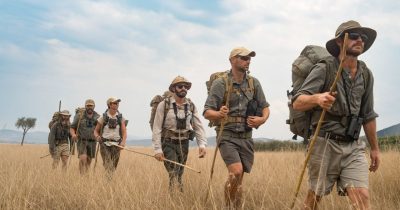
Consider a gorilla safari in Uganda, one of three countries where these majestic creatures are found, and learn about their extraordinary behaviour and how to see them. Walking through Bwindi Impenetrable Forest and Mgahinga Gorilla National Park to find these primates is thrilling but requires patience and physical fitness due to rugged terrains, mountainous elevation, and dense forests. Be prepared for walking sessions lasting from two to six hours; bring good hiking boots for comfort.

What to Expect During Your Search for Mountain Gorillas
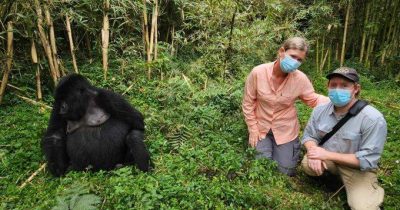
Interestingly, gorilla trekking adventures aren’t boring, as in the 2-6 hours of walking/searching for the Giant Apes, you will come across more than you ever bargained for. Lots of primate species, a plethora of birds, incredible tree species, natural features such as waterfalls and mountain peaks, and a chance to admire/photograph the breathtaking landscapes you come across along the way. After several hours of searching for these phenomenal creatures, you will be treated to one hour of observing and taking photos of them while listening to the Ranger guide describe and interpret their unique behaviour. The 60 minutes always seem to run fast, but you will be able to see Gorilla family dynamics in their natural habitat- playing, foraging, resting, grooming each other, nursing their infants, and interacting with each other.
How Likely Are You to See Uganda’s Mountain Gorillas?
As part of conservation efforts, mountain gorillas are normally under 24-hour monitoring by Park Rangers attached to Uganda Wildlife Authority, hence you are almost guaranteed to see them. However, all gorilla trekking tours are dependent on the wild nature of Bwindi Impenetrable and Mgahinga Gorilla National Park, and as we know, nature is unpredictable.
For the many years we have organised Gorilla tours, we have received questions like “What are the chances of seeing mountain gorillas?” or “What happens if I don’t see the Uganda gorillas?” Well, it might excite you to know that the chances of seeing mountain gorillas are overwhelming, with up to a 98% rate of seeing these Giant Apes during tours over the last years.
When a Gorilla Sighting Doesn’t Happen: What You Need to Know
In the rare cases of no mountain gorilla sightings, visitors (or the Tour Operator if you booked your gorilla safari through one) will request a cancellation or a refund in writing to the Uganda Wildlife Authority Executive Director.
Once your request has been received, the Uganda Wildlife Authority Executive Director may approve or decline the refund or cancellation of your duly paid gorilla permit under several conditions.
For instance, if after a whole day of tracking the mountain gorillas in their natural habitats, one fails to see them, the Uganda Wildlife Authority Executive Director may authorise rescheduling of the gorilla trekking permit to the next day.
However, rescheduling the Gorilla permit in the specified sector/trekking region is dependent on availability. This is because every habituated gorilla family is visited by a maximum of 8 visitors per day. If there are no available slots for rescheduling the gorilla permit or if the visitor’s itinerary might not allow them to stay a day longer (especially if you are flying or driving back to Entebbe/Kampala, or any other destination), a cancellation of the gorilla permit will be authorised.
Understanding the 60% Refund Policy
In case of cancellation of the gorilla trekking permit due to availability challenges or because your program doesn’t permit you to stay a day longer, a 60% refund of the gorilla trekking permit value will be effected. This is, however, done upon confirmation of the inability to see mountain gorillas by the respective Chief Warden (or Warden in charge) of the sector/region you were tracking from. It is important to note that this refund will be less any incidental expenses, such as Bank charges and taxes that have already been incurred by Uganda Wildlife Authority.
The best time to see the Uganda mountain gorillas
Uganda is one of the World’s most captivating gorilla trekking destinations, where two phenomenal locations exist, the World’s highest concentration of these Giant Apes lives, and unforgettable gorilla encounters promise an adventure. However, the answer to the question of “which is the best time to visit” these majestic creatures in their natural habitats depends on several factors. Whether you are looking to save some extra bucks, looking to combine gorilla trekking with birding, or yearning for a less challenging experience.
Here is our month-by-month guide to the best time to see mountain gorillas in Uganda.
Dry Season: June–September
The dry season runs from June through September. This is a wonderful time for gorilla trekking as the vegetation/forest is sparser and forest trails are drier, hence making it less challenging to walk through the jungles while searching for the mountain gorillas.
The dry season is however, is the busiest time of the year, so availability for gorilla permits and accommodations for the required dates and in the sector of interest might be a challenge. For this reason, booking for your gorilla safari well in advance is a wonderful idea.
Wet Season: March–May & November
The wet season runs from March to May, and then in November. The forest is lush and blooms with wildflowers, and there are lots of young animals, especially antelopes and other wildlife species that breed seasonally.
The wet season, being a low season, means forest trails and accommodations are less crowded compared to the dry season. The months see fewer visitors, which means you might find yourself tracking a particular gorilla family by yourself or just a few visitors, hence providing a more tranquil and intimate gorilla experience without many other visitors around. However, only a maximum of 8 visitors can trek a habituated gorilla family, hence it isn’t always very crowded.
Photography, Budget, and Other Advantages of Low Season
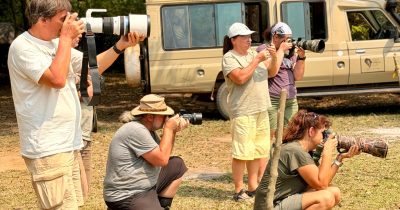
If you yearn to add photography to your gorilla safari, then you will need to consider visiting in the wet season as the rains clear the air of dust, and the soft, diffused light during overcast days is perfect for photography. The verdant greenery, as well as colourful birds, provide excellent subjects for photographers.
The wet season is also a wonderful time to save some extra bucks as accommodation rates are slightly lower, hence making gorilla safaris more budget-friendly.
Final Thoughts
Wondering what happens if you don’t see the Uganda gorillas? Worry not, as there is a 98% chance of seeing these Giant Apes in their natural habitat. Looking for some more inspiration, our team is ready to tailor-make a Uganda gorilla safari to your satisfaction!