
Visiting Masai Mara in August
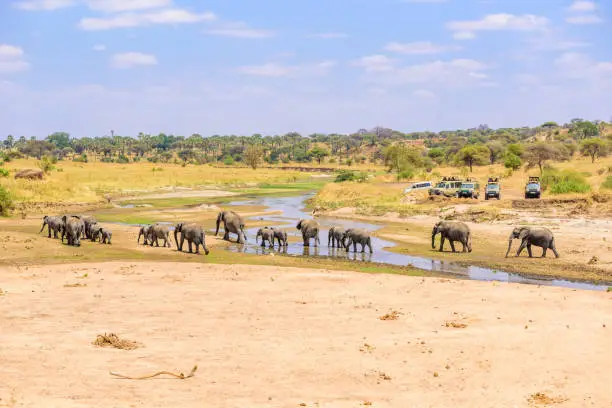
Is August a good time to visit Masai Mara? Absolutely yes! August is the best time to visit Masai Mara for you to witness the powerful Great Wildebeest Migration. It is also a good month to explore the Big Five and other abundant wildlife in the reserve’s plains. Visiting Masai Mara in August is a perfect choice for any enthusiastic nature lover who shouldn’t miss a Kenya safari. In August, hundreds of wildebeest herds plus other grazers can be observed as they cross the Mara River. This is the most dramatic moment, especially the fact that you have diverse species to encounter, including the predators.
Masai Mara is open to guests at any time of the year, which means even in August, you can organize a trip to this spectacular nature reserve. August marks the second-to-last month of the year to end the longest dry season. August comes with conducive weather patterns, making it a preferred month to unearth the reserve’s wonders.
The weather in Masai Mara in August
August is characterized by dry weather, clear visibility, and minimal rainfall. During the day, you can experience warm temperatures, and at night, the temperatures tend to drop. Around August, there is a possibility of temperatures dropping even below 10 degrees Celsius. The weather conditions experienced are generally ideal for game drives or other activities offered in the Masai Mara National Reserve.
Reasons to Visit Masai Mara in August
The Great Migration in August
August is one of the months when the peak migration occurs in the Masai Mara National Reserve. The most powerful and memorable moment at the Mara River is when you closely observe the wildebeests as they cross the river. The Mara River is infested by huge Nile crocodiles, which wait to wrestle back the wildebeest.
Game drives in August
In August, visitors can engage in morning or afternoon drives, and this is done with the company of an experienced guide. A variety of savanna wildlife can be spotted during the guided game drive. They include a bat-eared fox, impalas, wildebeests, African hares, cheetahs, leopards, cape buffaloes, waterbucks, gazelles, dwarf mongoose, and bird species.
Bird-watching in August
Bird-watching with an expert in Masai Mara National Reserve comes with amazing sightings of birds –endemic, resident, and migratory species. Overall, Masai Mara shelters 470 birds, including the Klaas’s cuckoos, golden-tailed woodpeckers, Pel’s fishing owl, emerald-spotted wood-dove, speckled mouse birds, African pygmy-falcons, tambourine dove, rufous-napped lark, spot-flanked barbets, Fischer’s sparrow larks, and grey-headed kingfishers.
In addition, a birding adventure in Masai Mara allows you to come across birds such as broad-billed rollers, Abyssinian scimitar bill, African grey-hornbills, sacred ibis, yellow-billed storks, great white egret, Kori bustards, Schawlow’s turacos, white-bellied go-away bird, rosy-throated long-claws, and more.
Nature walking
If you enjoy nature walking and plan to visit Kenya, then don’t miss a guided nature walk excursion in the Mara Game Reserve. With nature walks, you immerse yourself in the Masai Mara plains. Explore the hidden treasures in their varying habitats, and the expected sightings include diverse bird species and small mammals.
Maasai cultural visits
Get to interact with the few indigenous people who are still in existence in Magical Kenya. The Maasai people reside adjacent to the reserve, and cultural tours can be conducted after game drives or the Great Migration.
Pleasant weather conditions
Weather and climatic conditions in August are generally favorable. They are characterized by warm and sunny conditions during the day. At night, they cool, and this means you can embark on a successful guided game drive or other safari activities.
What you need to know about visiting Masai Mara in August
Be ready for crowds: August is a peak month of the year, and you should be ready to meet other visitors. The majority of visitors flock to Masai Mara to enjoy a game drive, hot air balloon tours, and the Great Migration.
Mara River crossing: Visiting Masai Mara in August presents you with a chance to witness the river crossing. But it is essential to also time your visit. The migration events vary, and therefore, you should be flexible.
High demand for accommodation: Due to high demand for lodging options, you need to secure your accommodation option. The peak months run up to August, and booking accommodation should be done early enough before the actual date of visiting Masai Mara.
Accommodation Properties to Stay
The comfortable lodging options to consider for overnight in or around Masai Mara include;
Fairmont Mara Safari Club.
This is found at the edge of the Mara River and is comprised of 51 tents. The safari club has en-suite bathrooms, four-poster beds, and private decks, and these are set overlooking the river. Additional amenities and services that are available at Fairmont Mara Safari Club include a swimming pool, dining, gift shops, a lounge, and a library.
Elephant Pepper Camp
Consists of 8 luxurious tents that are ideal for families and honeymooners. The main features include private verandas, hot water showers, dining, campfire, solar-powered lighting, and others.
Sanctuary Olonana
This comfortable lodge features 14 suites with amenities such as private plunge pools, dining, spa, bathrooms, indoor showers, outdoor showers, tubs, and others.
AndBeyond Bateleur Camp
This luxury camp has 18 tents and en suite bathrooms, private decks, copper bathtubs, a swimming pool, a safari shop, dining, and butler services.
Mara Serena Safari Lodge
Distinctly designed, depicting the traditional Maasai village and its cluster of domed huts. Over 74 rooms make up the Mara Serena Lodge and have key amenities such as a swimming pool, a bar, a lounge, and dining, spa, and conference facilities.
Additional accommodation options to find for your overnight stay include Mahali Mzuri, Royal Mara Safari lodge, Loyk Mara Camp, Sala’s Camp, Kichwa Tembo Tented Camp, Angama Mara, Tipilikwani Mara Camp, and Kicheche Bush Camp.
How to access the Masai Mara in August
By road, getting to Masai Mara takes a short drive of about 6 hours, and a 4×4 safari vehicle is suitable for your road trip. Expect en route exceptional views of the Great Rift Valley and Narok. Alternatively, tourists can also connect to Masai Mara faster by flight, and this involves departing from Nairobi to the airstrips in or around the reserve. The main airstrips that serve Masai Mara include Ol Kiombo, Kichwa, Ngerende Airstrip, and Serena Airstrip etc. The major access gates to Masai Mara include Oloololo Gate, Oloolaimutia Gate, Musiara, Sekenani, and Talek Gates.
Masai Mara National Reserve entry fees
In order for you to have access to Masai Mara, you should have cleared the park entrance fees. USD 200 per day applies to adults under the category of foreign non-residents, and children pay USD 50 per day. Kenyan citizens with plans to explore Masai Mara pay KES 2500 per day, and children, especially those between 9 and 17, are charged KES 300 per day. East African residents with plans to access Masai Mara pay KES 5000, and children under the same category pay KES 2000.
You should clear the park entrance fees early, and the local operator on the ground can guide you. The authorities collect park entrance fees to enhance anti-poaching efforts, preserve the Masai Mara ecosystem in the long term, improve reserve infrastructure, and support the Maasai communities.
Why not visit Masai Mara now?
August provides a great opportunity for you to experience the vibrant Maasai Mara. Visiting Masai Mara in August allows you to encounter not only the Big 5 but also witness the Great Migration.