What Happens if I Miss Seeing Gorillas During Trekking?
Learn what happens if you miss seeing gorillas while trekking, including policies, refunds, and expert tips to avoid disappointment.
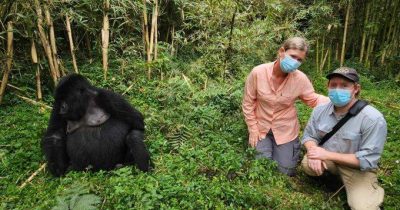
Gorilla trekking in Uganda, Rwanda, or Congo offers visitors the chance to witness gorillas in their natural rainforest habitat. While this is every primate adventure seeker’s dream, often, questions like what happens if I miss seeing gorillas during trekking have been raised. Imagine after the tedious planning and costs, you embark on gorilla trekking only to end up not seeing any gorillas.
Circumstances like these can occur, though rarely. Certain factors often come into play, but a lot has been done to enhance the visitor experience during gorilla trekking. With significant effort invested in improving visitor gorilla trekking experiences, park authorities have implemented several initiatives, significantly increasing the chances of visitors seeing gorillas.

But what happens if I miss seeing gorillas during trekking
While it is rare to miss seeing gorillas during the trek, one may want to be certain if it so happens. A second chance can be given, but a visitor can return to the wild the following day, subject to availability and approval by Uganda Wildlife Authority (UWA). Gorilla treks in Uganda and Rwanda have a 99% chance of seeing gorillas.
A second chance to visit gorillas in their natural habitat can be given under certain conditions. First, the park authorities may consider giving visitors who miss seeing gorillas on a trek another chance to track them, provided they spent a day searching for the apes without spotting any. The park ranger guide/official must confirm that, indeed, during the gorilla trekking conducted, there was no possibility of spotting these apes.
In addition, if a visitor shows signs of sickness on the day of gorilla trekking. The park official may provide another chance for such a visitor to engage in the gorilla trek the following day.
Why is there a higher success rate of seeing gorillas?
Gorilla habituation
Gorilla habituation has significantly increased the likelihood of seeing gorillas in the wild. Through habituation, gorillas become accustomed to human presence, making it easier for visitors to interact with them. This may not be the case with unhabituated gorillas, which tend to run away when they notice humans, treating them as intruders.
Interestingly, gorilla trekking destinations all have fully habituated gorilla families ready for exploration by primate adventure seekers. Uganda hosts the largest population of habituated gorilla families, including the Christmas, Katwe, Rushegura, Mishaya, Mucunguzi, Nshongi, Habinyanja, Oruzogo, Busingye, Bweza, Kyaguriro, Bitukura, Nkuringo, Nyakagezi, and Mubare gorilla families.
In Rwanda, expect to explore habituated gorilla families such as Kwitonda, Susa A, Bwenge, Agashya, Sabyinyo, Hirwa, Amahoro, Umubano, Karisimbi, and others. Each habituated gorilla family is trekked by a maximum of 8 tourists per day. Only single gorilla trekking sessions are conducted daily regardless of the destination.
Presence of park trackers and guides
The presence of trackers and park ranger guides plays a significant role in gorilla trekking. The trackers usually conduct daily monitoring of gorillas in their habitat before visitors set off. After visitors have been briefed on the rules and regulations, the park ranger guide accompanies them. The park ranger guide shall keep in touch with the park trackers already in the field. So you know, they have been alerted to the presence of the gorilla group assigned to you. Thanks to tracking services, visitors no longer spend many hours in the jungles searching for gorillas. Efforts such as these have made it easier to see gorillas.
Seasonality
Visiting Uganda or Rwanda at the right time also plays a significant role in gorilla trekking. The dry season is considered the ideal time to trek to see gorillas in the wild. Tourists can organise gorilla tours during the long dry season. It runs from June to September, or the short dry season, which occurs from December to February. Any of these months offers visitors a higher chance of spotting gorillas because destinations such as Bwindi, Volcanoes, Mgahinga, and Virunga experience relatively low or no rainfall.
What limits visitors’ chances to see gorillas?
Many factors may contribute to visitors’ failure to see gorillas during trekking. They include;
Visitor fitness levels
For gorilla trekking adventures, fitness levels matter a lot. The trek to see gorillas requires you to be fit enough to make a round-trip. Given the nature of the gorilla trekking adventure, prior practice is essential for all guests planning to travel to engage in this mesmerising primate expedition in Uganda/Rwanda. Every visitor must know their level of physical fitness. If you feel you can’t make it to and from the gorilla trek, then consider hiring a sedan chair, and the energetic porters can lift you.
Location of gorillas
Gorillas tend to move farther away than expected. This means long-distance walking to find these apes in their habitat. In this case, a visitor may get tired of having to travel farther to find these primates and miss seeing them in the wild.
Nature of the habitat
Mountain gorillas reside in the tropical rainforests of Uganda, Rwanda, and Congo. Tropical rainforest protected areas receive rainfall year-round. They lie near the Equator crossing, and visitors must be prepared for rain at any time of year. Heavy rains may turn the habitat muddy and make the steep slopes slippery. They make it difficult to find a gorilla family.
How long is the gorilla trekking adventure?
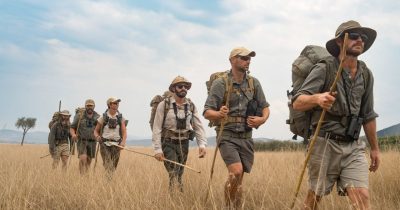
Gorilla trekking takes some time and requires some level of fitness. You may need between 2 and 6 hours to enjoy a gorilla trek in Uganda, Rwanda, or Congo. Gorilla treks involve navigating the spectacular rainforest with a guide in search of mountain gorillas. The entire adventure is unpredictable, which is why you must be fully prepared.
What to pack for a gorilla trekking tour
Things to pack for a gorilla tour include waterproof hiking boots, neutral clothing, a pair of socks, gardening gloves, a rain jacket, gaiters, a bottle of drinking water, insect repellent, a camera, a sweater, sunscreen, sunglasses, and more. On the actual gorilla visit, expect to wear clothing that blends with the natural environment. Avoid any shouting colours as they tend to scare away gorillas.
The cost of gorilla trekking permits
Gorilla permits should be obtained in advance of the actual planned trekking date. Your local tour operator can help you get a valid gorilla permit. Each permit costs USD 800 per visitor (Uganda), USD 1500 per visitor (Rwanda), and USD 450 for Congo.
Where to go for gorilla trekking in Africa
The best places to experience the most of gorilla trekking in Africa include Bwindi Impenetrable National Park, Mgahinga Gorilla National Park in Southwestern Uganda. Volcanoes National Park in Ruhengeri, northwestern Rwanda, and Virunga National Park in the Eastern Congo. Each of these gorilla parks holds already habituated groups of mountain gorillas worth exploring on a gorilla tour.
Missing gorillas during your trek is rare, but it can happen. Thankfully, most parks have policies in place to ensure fair treatment of visitors, including the option of refunds or re-trekking. By choosing a reputable tour operator, preparing well, and understanding the conditions, you can maximise your chances of a successful encounter.